
Zheng He
Chinese admiral who led seven voyages across the Indian Ocean.

User:Vmenkov · CC BY-SA 3.0
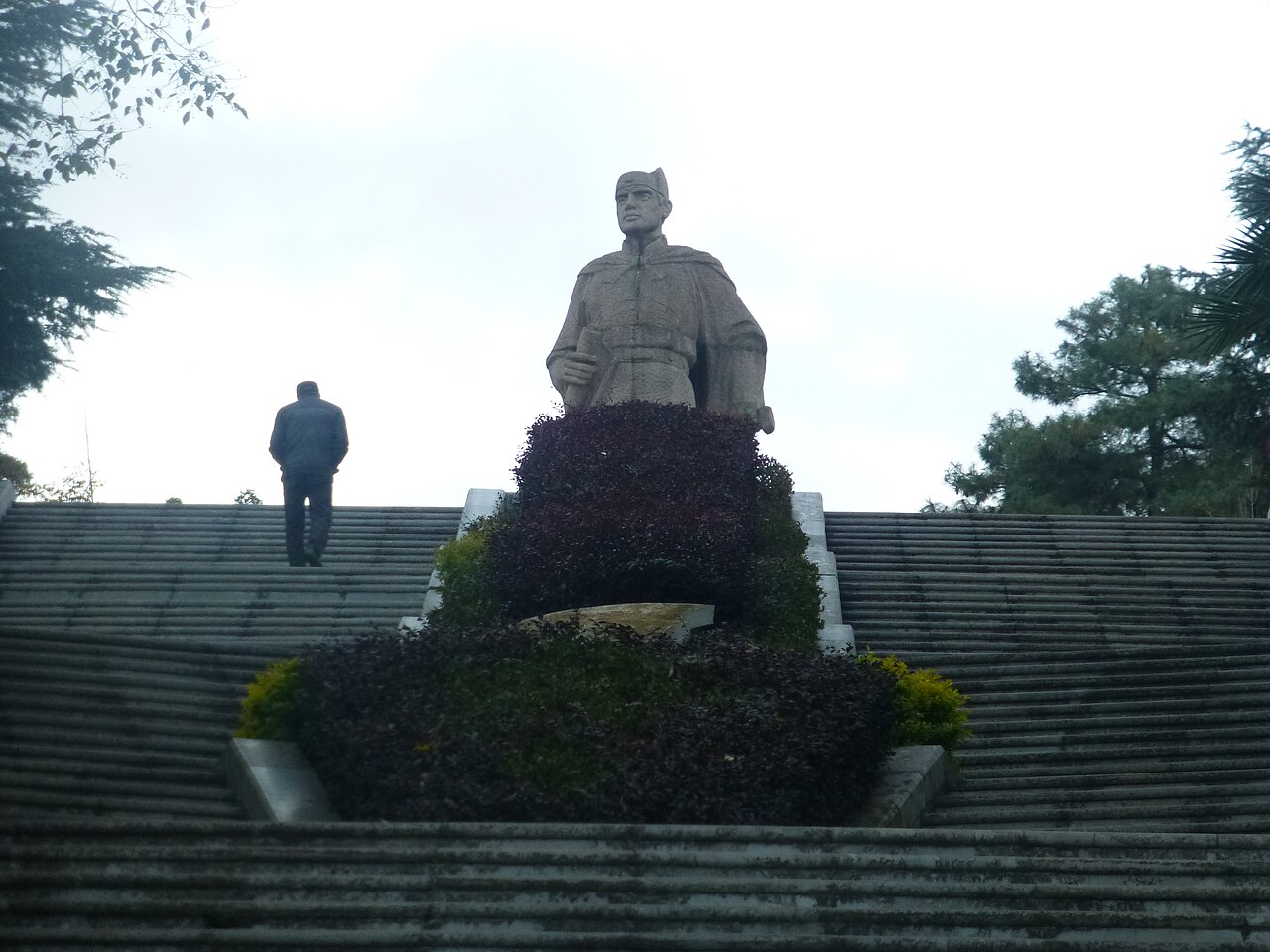
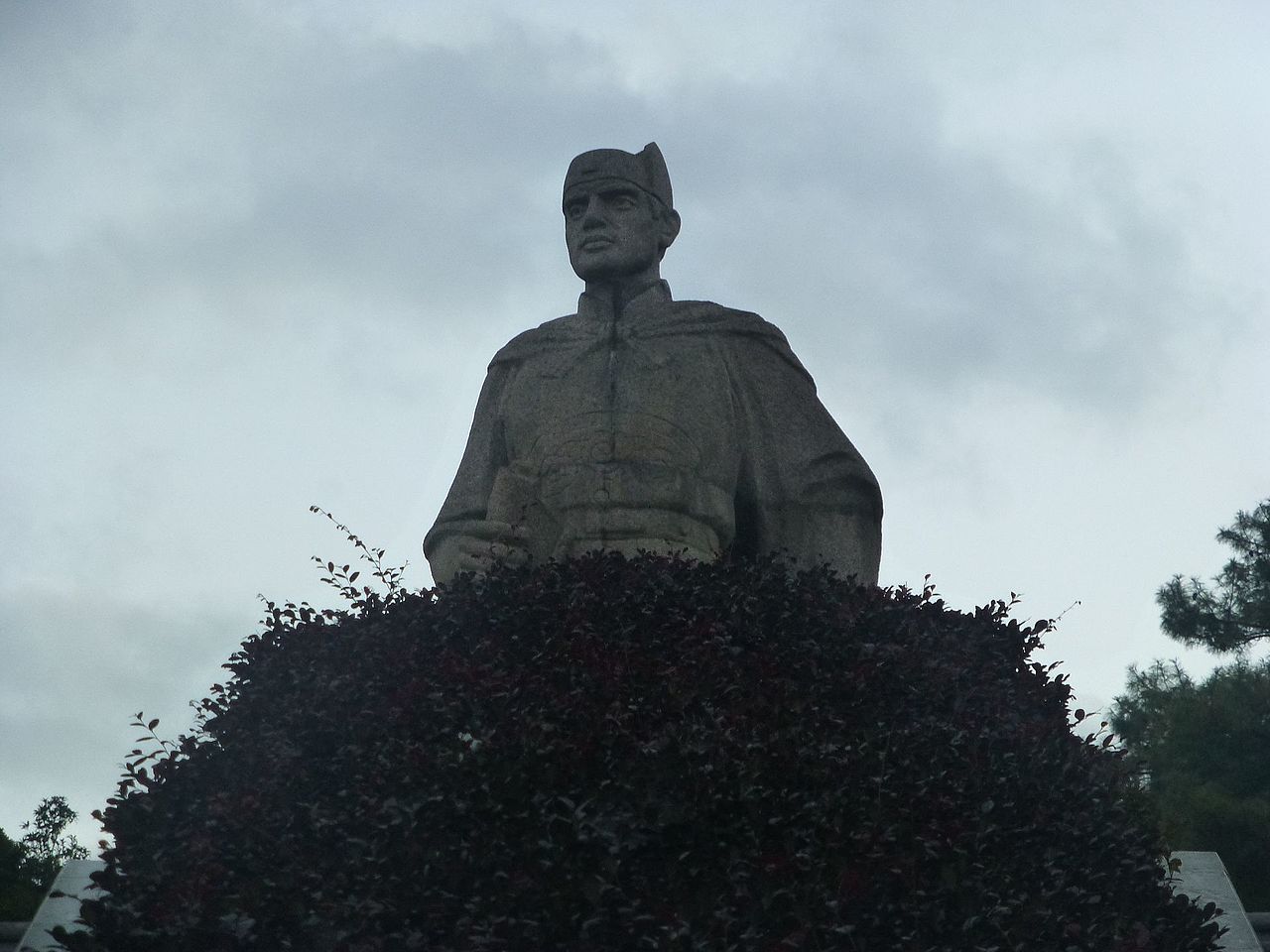
Zheng He (1371–1433/1435) was a Chinese admiral and diplomat of the early Ming dynasty. He commanded seven treasure voyages across the Indian Ocean between 1405 and 1433, greatly expanding China's political and commercial influence. A eunuch born into a Muslim family as Ma He, he later received the surname Zheng from the Yongle Emperor. His extensive explorations along the Indian Ocean led to a major increase in China's political and commercial influence. He is also widely known in Chinese culture by the alias Sanbao, which in names of Southeast Asian temples can refer either to him or to the Three Jewels of Buddhism.
- born
- 1371
- died
- 1433/1435
- field
- Admiral, diplomat
- nationality
- Chinese (Ming dynasty)
- known_for
- Seven treasure voyages across the Indian Ocean
Lore & Background
Zheng He was born Ma He in Kunyang, Yunnan, into a Muslim family. His father and grandfather carried the title hajji, indicating a pilgrimage to Mecca. Captured by Ming forces in 1381, he was castrated between ages 10 and 14 and placed in the household of Zhu Di, Prince of Yan. He gained the prince's trust, served on the northern frontier, and assisted Zhu Di in the Jingnan campaign that overthrew the Jianwen Emperor in 1402. After Zhu Di became the Yongle Emperor, Ma He was promoted to Grand Director and given the surname Zheng in 1404 for his defense of the city reservoir Zhenglunba in 1399. Between 1405 and 1433, Zheng He commanded seven treasure voyages under the Yongle and Xuande emperors. His fleet brought a militaristic presence to the Indian Ocean and encouraged state-controlled trade from China to the Swahili coast. According to legend, his largest ships were almost twice as long as any wooden ship ever recorded, and carried hundreds of sailors on four decks. Zheng He also served as defender of Nanjing and supervised the rebuilding of the Great Bao'en Temple. He died in 1433 or 1435.
Reader's Guide
Zheng He's voyages represent a pivotal moment in early global maritime history, demonstrating Ming China's naval power and reach. Under imperial commission, his fleets established tributary and trade networks across the Indian Ocean, from Southeast Asia to East Africa. The voyages were state-controlled and militaristic, as emphasized by scholar Tansen Sen, and they significantly increased China's political and commercial influence. Despite his Muslim upbringing, Zheng He's devotion to the goddess Tianfei, patron of sailors, reflects the syncretic religious environment of the fleet. His career illustrates the complex role of eunuchs in Ming governance, rising from a captured child to the highest ranks of the imperial hierarchy. The termination of the voyages after the Yongle Emperor's death and the subsequent shift in Ming policy highlight the personal and political nature of such enterprises. Zheng He's legacy endures in Chinese culture through the alias Sanbao and in Southeast Asian temples named after him.
Did You Know?
- Zheng He was born into a Muslim family as Ma He, and both his father and grandfather held the title hajji, meaning they had made the pilgrimage to Mecca.
- He was captured by Ming forces in 1381, castrated between the ages of 10 and 14, and placed in the household of the Prince of Yan.
- The Yongle Emperor conferred the surname Zheng on Ma He in 1404 for his defense of the city reservoir Zhenglunba in 1399.
- According to legend, Zheng He's largest ships were almost twice as long as any wooden ship ever recorded, with four decks and hundreds of sailors.
- Zheng He sought protection from both the goddess Tianfei and the tombs of Muslim saints on Lingshan Hill before his voyages.
From Yunnan's Muslim Lineage to Ming Captivity
Zheng He entered the world in 1371 as Ma He, a child of a Hui Muslim household in Kunyang, near Kunming in Yunnan. His lineage stretched five generations back to Sayyid Ajjal Shams al-Din Omar, a Mongol-era administrator who had governed Yunnan during the early Yuan dynasty. Both his grandfather and father carried the honorific title hajji, signaling that they had completed the pilgrimage to Mecca. The boy grew up with an older brother and four sisters under the Principality of Liang, a local state still loyal to the Northern Yuan. That world collapsed in 1381 when Ming armies overthrew the Mongol prince Basalawarmi. His father, Ma Hajji, died in the fighting—scholars disagree on whether he was actively aiding the Mongol side or merely caught in the crossfire. The boy was seized by General Fu Youde, who stopped him on a road and demanded the location of the Mongol pretender. Ma He answered defiantly, claiming the man had jumped into a lake. Taken prisoner, he was castrated between the ages of ten and fourteen and placed in the household of the Prince of Yan, a turn of fate that would ultimately reshape his entire identity.
Soldier on the Northern Frontier
Assigned to the household of Zhu Di, the Prince of Yan—who was eleven years his senior—Ma He spent his formative years as a soldier along the northern frontier, where hostile Mongol tribes pressed against Ming borders. The prince had governed Beiping, the site of modern Beijing, since 1380, and his domain sat directly in the path of Mongol incursions. Ma He accompanied his master on repeated military campaigns against those northern threats. A defining early victory came on 2 March 1390, when the prince led his first major expedition and the Mongol commander Naghachu surrendered the moment he realized he had walked into a trap. Over time, the young eunuch earned the deep trust of his patron, becoming a close adviser rather than a mere servant. Crucially, his placement in Beiping afforded him a proper education, a privilege he would never have received had he been sent to the imperial capital at Nanjing, where the Hongwu Emperor distrusted eunuchs and deliberately kept them illiterate. During this period in the prince's household, Ma He was also known by the nickname Sanbao, a reference to the Buddhist Three Jewels, a name that would follow him into Chinese cultural memory for centuries.
The Jingnan Rebellion and Imperial Favor
By 1398, a succession crisis had placed the Jianwen Emperor on the throne, the nephew of Zhu Di, who as the eldest surviving son of the late Hongwu Emperor had expected the crown. The new emperor's policy of xuēfān—systematically stripping the feudal princes of their military power—pushed Zhu Di into open rebellion in August 1399. Ma He, now a trusted military adviser, played a direct role in the ensuing Jingnan Campaign. In 1399 he successfully defended Beiping's city reservoir, the Zhenglunba, a critical defensive position. The war ended in 1402 with the Jianwen Emperor's apparent death and Zhu Di's ascension as the Yongle Emperor. Having stood by his master through the most dangerous political crisis of the dynasty's early years, Ma He was richly rewarded. The Yongle Emperor conferred upon him the surname Zheng, elevating him from a captured eunuch to a figure of the imperial court. He rose to the very top of the Ming hierarchy, eventually serving as commander of the southern capital at Nanjing. His loyalty, forged in the crucible of the Jingnan war, secured him a position of unmatched trust and authority within the new regime.
Seven Voyages and a New Indian Ocean Order
Between 1405 and 1433, Zheng He commanded seven monumental treasure voyages across the Indian Ocean, sailing under the commissions of both the Yongle and the succeeding Xuande Emperor. These expeditions dramatically expanded China's political reach and commercial influence across Asia. Legend holds that the fleet's largest vessels were almost twice as long as any wooden ship previously recorded, with four decks and crews numbering in the hundreds. Historian Tansen Sen emphasizes that this was not merely a trading fleet; the Ming navy projected a genuinely new militaristic presence into waters long dominated by other powers. The voyages also wove together state-controlled trade networks stretching from Chinese ports to the Swahili coast of East Africa. Before setting sail, Zheng He sought protection from two very different sources: Tianfei, the patron goddess of seafarers, and the tombs of Muslim saints on Lingshan Hill above Quanzhou—a duality mirroring his own layered identity. In 1405, on the Duanwu Festival, he commissioned an epitaph for his late father, composed by the Minister of Rites Li Zhigang, a gesture tying his imperial ambitions back to the son of Ma Hajji who had died in Yunnan.
Common Misconceptions (Editorial)
1. Some people think Zheng He was the last name of an explorer named "He," but his original family name was Ma, and he was later given the surname Zheng by the Yongle Emperor. 2. It is commonly assumed that Zheng He's voyages were purely peaceful trade missions, but they brought a militaristic presence to the Indian Ocean. 3. Many believe Zheng He was not a eunuch, but the facts confirm he was captured and castrated between the ages of 10 and 14.
Why It Matters (Editorial)
Zheng He remains a monumental figure because his seven treasure voyages demonstrated the massive reach and organizational sophistication of Ming China at a time when European exploration of the oceans had barely begun. His story also endures as a complex human narrative—a Muslim eunuch captured in childhood who rose to unprecedented command, blending military power, diplomacy, and cross-cultural exchange across the Indian Ocean world.
Notable Quotes (Wikiquote)
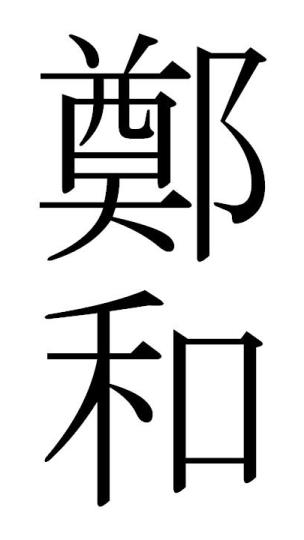
"Zheng He (Traditional Chinese: 鄭和; Wade-Giles: Cheng Ho; 1371 – 1433) was a Chinese mariner, explorer, diplomat, fleet admiral, and court eunuch during China's early Ming dynasty." — Zheng He "Columbus's fleet in 1492 - which consisted of three small ships manned by 120 sailors - was like a trio of mosquitoes compared to Zheng He's drove of dragons." — Zheng He "Yuval Noah Harari, Sapiens: A Brief History of Humankind (2011), Chapter 15: "The Marriage of Science and Empire" — Zheng He "Patrick Mendis, Peaceful War: How the Chinese Dream and the American Destiny Create a New Pacific World Order, p. 35." — Zheng He
Gallery
Frequently Asked Questions
Who is Zheng He?
Zheng He (1371–1433/1435) was a Chinese admiral and diplomat of the early Ming dynasty who commanded seven major expeditions across the Indian Ocean. Born Ma He into a Muslim family, he served as a eunuch in the imperial court and later received the surname Zheng from the Yongle Emperor.
What were the Seven Treasure Voyages?
Between 1405 and 1433, Zheng He led seven large-scale maritime expeditions that carried Chinese fleets deep into the Indian Ocean. These voyages greatly expanded China's political and commercial influence across Southeast Asia, South Asia, the Middle East, and East Africa.
Why is Zheng He important in exploration history?
Zheng He's fleets were among the largest naval expeditions of the pre-modern world, predating European oceanic exploration by several decades. His voyages established diplomatic and trade networks stretching from the Chinese coast to East Africa, reshaping the Indian Ocean's political landscape.
How does Zheng He's story end?
Zheng He died in 1433 or 1435, reportedly during or shortly after his seventh and final voyage. His passing marked the close of an era, as the Ming court subsequently curtailed large-scale state-sponsored maritime exploration.
What was Zheng He's role and nationality?
Zheng He was a Chinese subject of the Ming dynasty who served as both an admiral and a diplomat during the early 1400s. His dual role allowed him to project military power while also negotiating treaties and trade agreements on the emperor's behalf.
More in Great Explorers 1-22
Spotted an error? Know more?
This is a living reference — every entry is fact-audited, and reader corrections feed straight into our audit queue. Suggest an edit · See this site's audit record