
Ernest Shackleton
Anglo-Irish Antarctic explorer of the Heroic Age.

via Wikipedia: Ernest Shackleton · see source
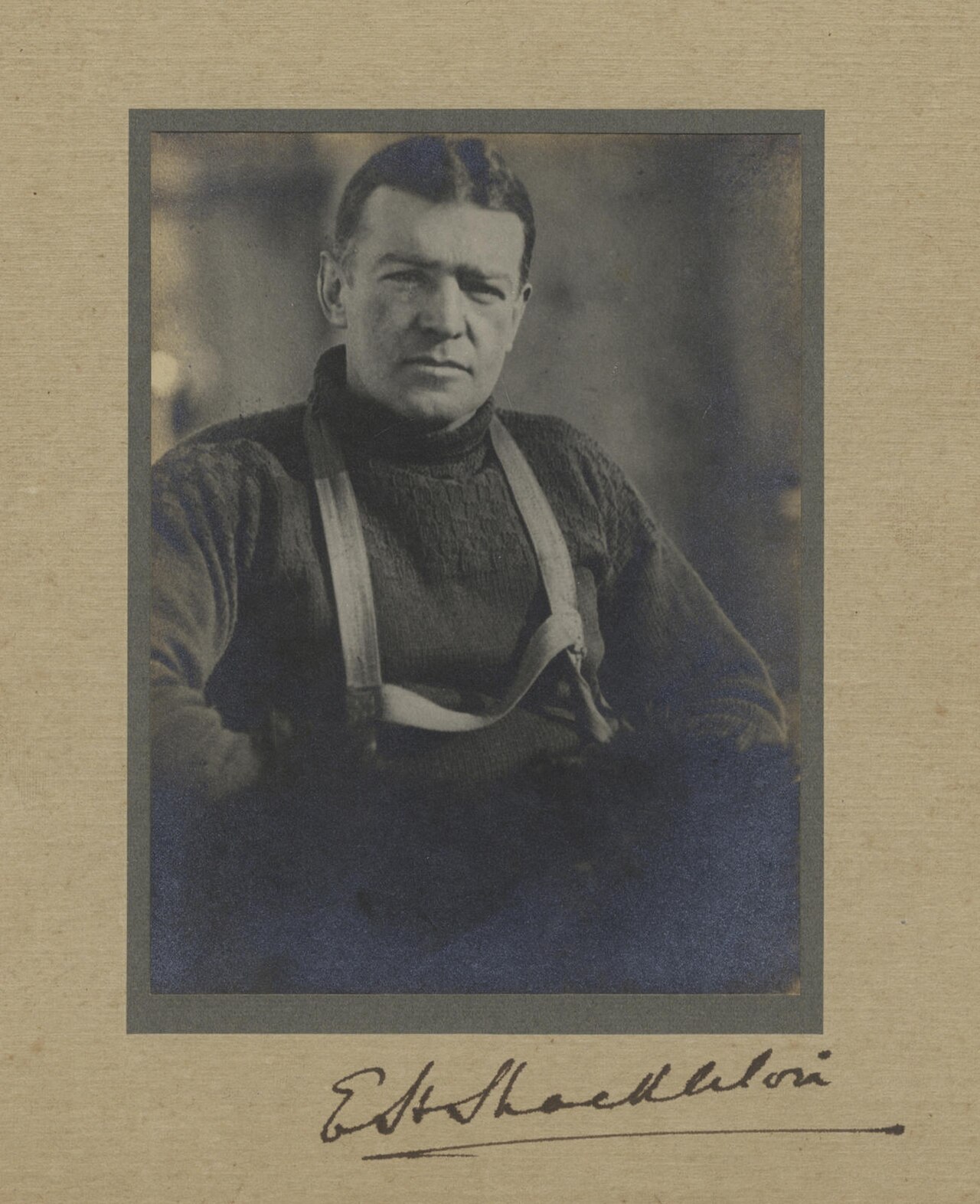
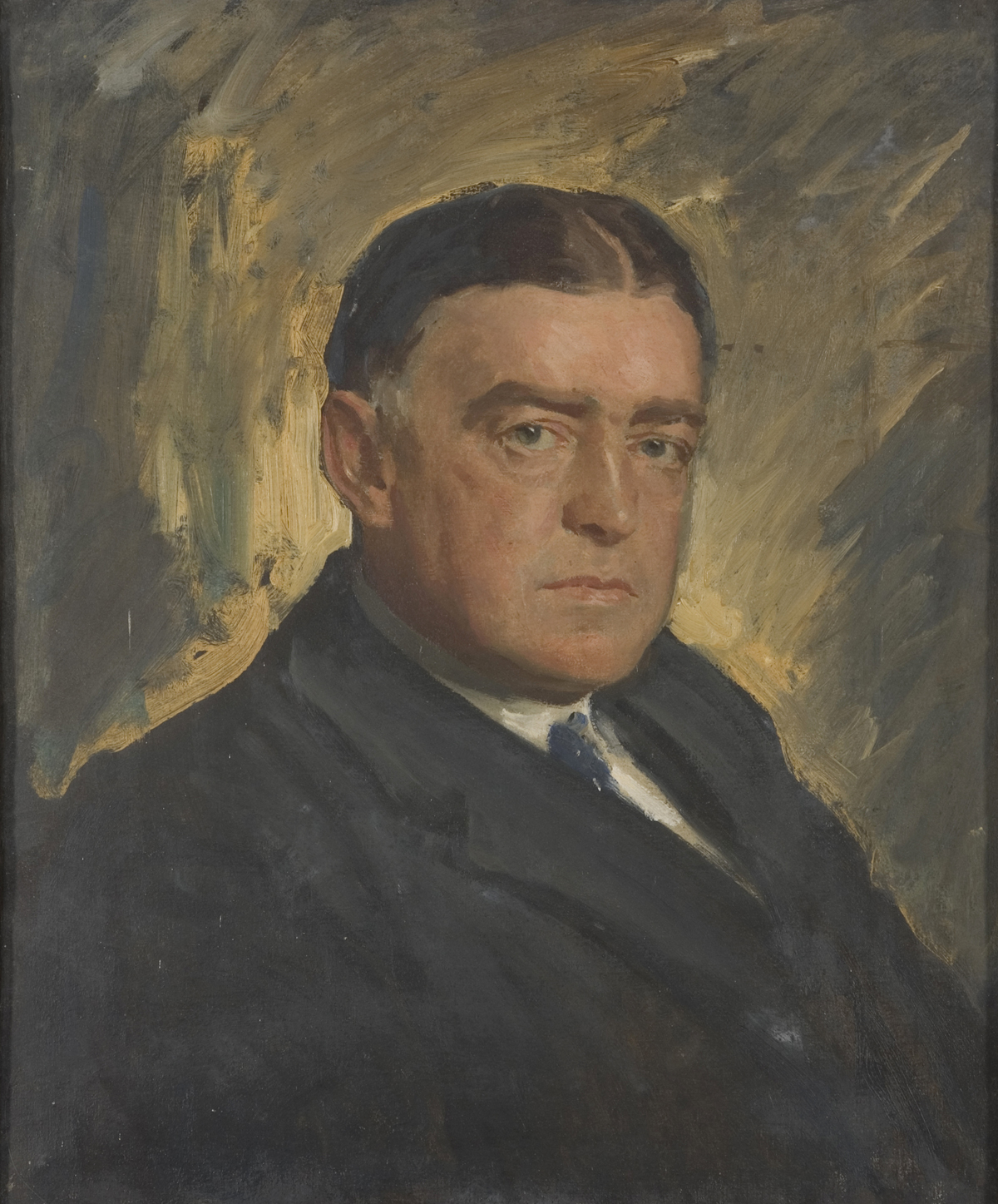
Sir Ernest Henry Shackleton was an Anglo-Irish Antarctic explorer who led three British expeditions to the Antarctic. He was one of the principal figures of the period known as the Heroic Age of Antarctic Exploration. Born on 15 February 1874 in Kilkea, County Kildare, Ireland, Shackleton and his family moved to Sydenham in suburban south London when he was ten. His first polar experience was as third officer on Robert Falcon Scott's Discovery expedition of 1901–1904, from which he was sent home early on health grounds after marching to latitude 82° S. During the Nimrod Expedition of 1907–1909, he and three companions set a new Farthest South record of 88°23′ S, only 97 geographical miles from the South Pole. He was knighted by King Edward VII for his achievements.
- born
- 15 February 1874
- died
- 5 January 1922
- field
- Antarctic exploration
- nationality
- Anglo-Irish
- known_for
- Leading the Imperial Trans-Antarctic Expedition; survival after the loss of the
Verified Timeline
Lore & Background
Ernest Henry Shackleton was born on 15 February 1874 in Kilkea, County Kildare, Ireland, the second of ten children. His father, Henry Shackleton, gave up farming to study medicine at Trinity College Dublin, moving the family to the city in 1880. Four years later they left Ireland for Sydenham in suburban London. Shackleton was schooled by a governess until age eleven, then attended Fir Lodge Preparatory School and later Dulwich College. He was said to be 'bored' by his studies, later remarking: 'I never learned much geography at school... teachers should be very careful not to spoil [their pupils'] taste for poetry for all time by making it a task and an imposition.' He left school at sixteen to go to sea, securing a berth aboard the square-rigged sailing ship Hoghton Tower with the North Western Shipping Company. He passed his examination for second mate in August 1894, obtained his first mate's ticket two years later, and was certified as a master mariner in 1898. In 1900 he joined Union-Castle Line, and after meeting Cedric Longstaff, whose father was the main financial backer of the British National Antarctic Expedition, Shackleton was appointed third officer on the expedition's ship Discovery on 17 February 1901. He was commissioned into the Royal Navy as a sub-lieutenant in the Royal Naval Reserve on 4 June.
Reader's Guide
Away from his expeditions, Shackleton's life was generally restless and unfulfilled. In his search for rapid pathways to wealth and security, he launched business ventures that failed to prosper, and he died heavily in debt. He was lauded in the press upon his death but was thereafter largely forgotten, while the heroic reputation of his rival Scott was sustained for many decades. Later in the 20th century, Shackleton was 'rediscovered', and he became a role model for leadership in extreme circumstances. In his 1956 address to the British Science Association, Sir Raymond Priestley said: 'Scott for scientific method, Amundsen for speed and efficiency[,] but[,] when disaster strikes and all hope is gone, get down on your knees and pray for Shackleton', paraphrasing what Apsley Cherry-Garrard had written in a preface to his 1922 memoir The Worst Journey in the World. In 2002, Shackleton was voted eleventh in a BBC poll of the 100 Greatest Britons.
Did You Know?
- Shackleton's brother Frank was a suspect, later exonerated, in the 1907 theft of the so-called Irish Crown Jewels, which have never been recovered.
- During the Discovery expedition, Shackleton edited the expedition's magazine the South Polar Times, which kept everyone onboard entertained through the Antarctic winter.
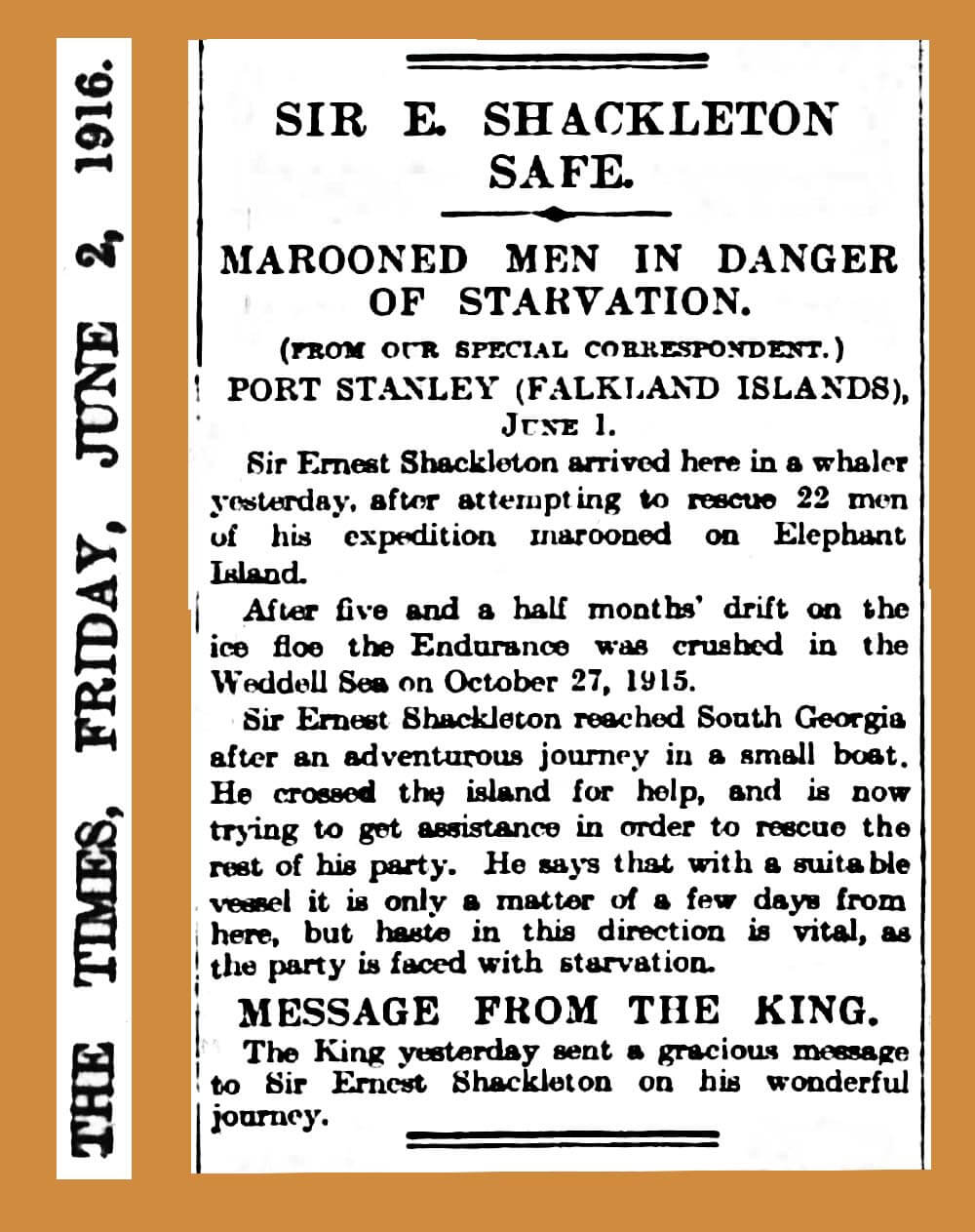
- Shackleton's most famous exploit was a stormy ocean voyage of 720 nautical miles (1,330 km; 830 mi) in lifeboats after the Endurance sank, reaching South Georgia.
- The wreck of Endurance was discovered just over a century after Shackleton's death.
- Shackleton frequently declared that he was 'an Irishman' and took lifelong pride in his Irish roots.
Common Misconceptions (Editorial)
Some believe Shackleton was born and raised in England, but he was born in Kilkea, County Kildare, Ireland, and frequently declared himself an Irishman. Others assume his first Antarctic experience was as a leader, but he served as third officer on Robert Falcon Scott's *Discovery* expedition and was sent home early due to health issues.
Why It Matters (Editorial)
Shackleton endures as a symbol of resilience and leadership under extreme duress, most famously for saving his entire crew after the *Endurance* was lost. His ability to turn catastrophic failure into a legendary survival story continues to inspire, reminding us that human courage and adaptability can prevail even when success, as originally defined, is impossible.
Notable Quotes (Wikiquote)
"Sir Ernest Henry Shackleton CVO OBE (15 February 1874 – 5 January 1922) was an Anglo-Irish explorer, now chiefly remembered for his Antarctic expedition of 1914–1917 in the ship Endurance." — Ernest Shackleton "Quoted in Moss, Stephen (28 March 2012). Captain Scott centenary: Storm rages around polar explorer's reputation. The Guardian." — Ernest Shackleton "Difficulties are just things to overcome after all." — Ernest Shackleton "Ch 10 : Across South Georgia; in this extract, Shackleton was paraphrasing the poem "The Call of the Wild" by Robert Service, published in 1907." — Ernest Shackleton
Gallery
Frequently Asked Questions
Who is Ernest Shackleton?
Ernest Shackleton was an Anglo-Irish polar explorer who became one of the defining figures of the Heroic Age of Antarctic Exploration. He commanded three separate British expeditions to the Antarctic between 1908 and 1919.
What is Ernest Shackleton most famous for?
He is best known for leading the Imperial Trans-Antarctic Expedition of 1914, during which his ship the Endurance was trapped and crushed by pack ice. His ability to bring his entire crew back alive from that disaster made him a legend of polar survival.
How many Antarctic expeditions did Shackleton lead?
Shackleton led three British Antarctic expeditions: the Nimrod Expedition, the Imperial Trans-Antarctic Expedition, and the Quest Expedition. These voyages spanned roughly a decade in the 1910s.
What happened to the Endurance?
In 1915 the Endurance became locked in the Weddell Sea ice and was slowly crushed over several months. Shackleton and his 27 crewmates survived by launching small boats, reaching Elephant Island, and then crossing the Drake Passage to secure rescue.
When and why did Ernest Shackleton die?
Shackleton died on 5 January 1922, just weeks after departing on his final, ill-fated Quest Expedition. He was 47 years old at the time.
More in Great Explorers 1-22
Spotted an error? Know more?
This is a living reference — every entry is fact-audited, and reader corrections feed straight into our audit queue. Suggest an edit · See this site's audit record