
Christopher Columbus
Italian explorer who opened the Americas to European colonization.

via Wikipedia: Christopher Columbus · see source
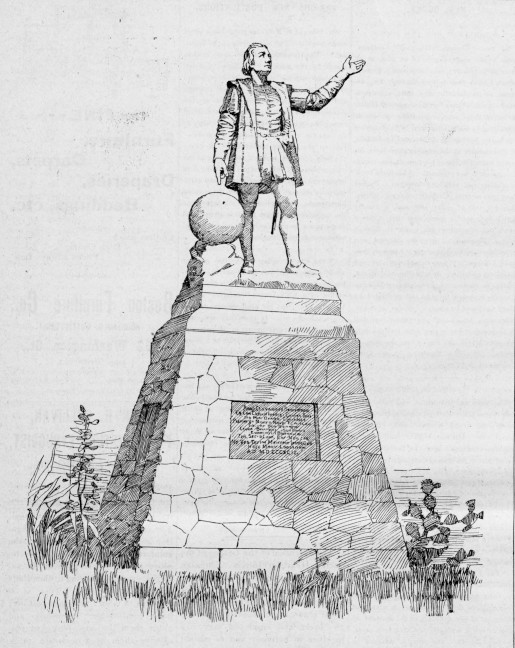
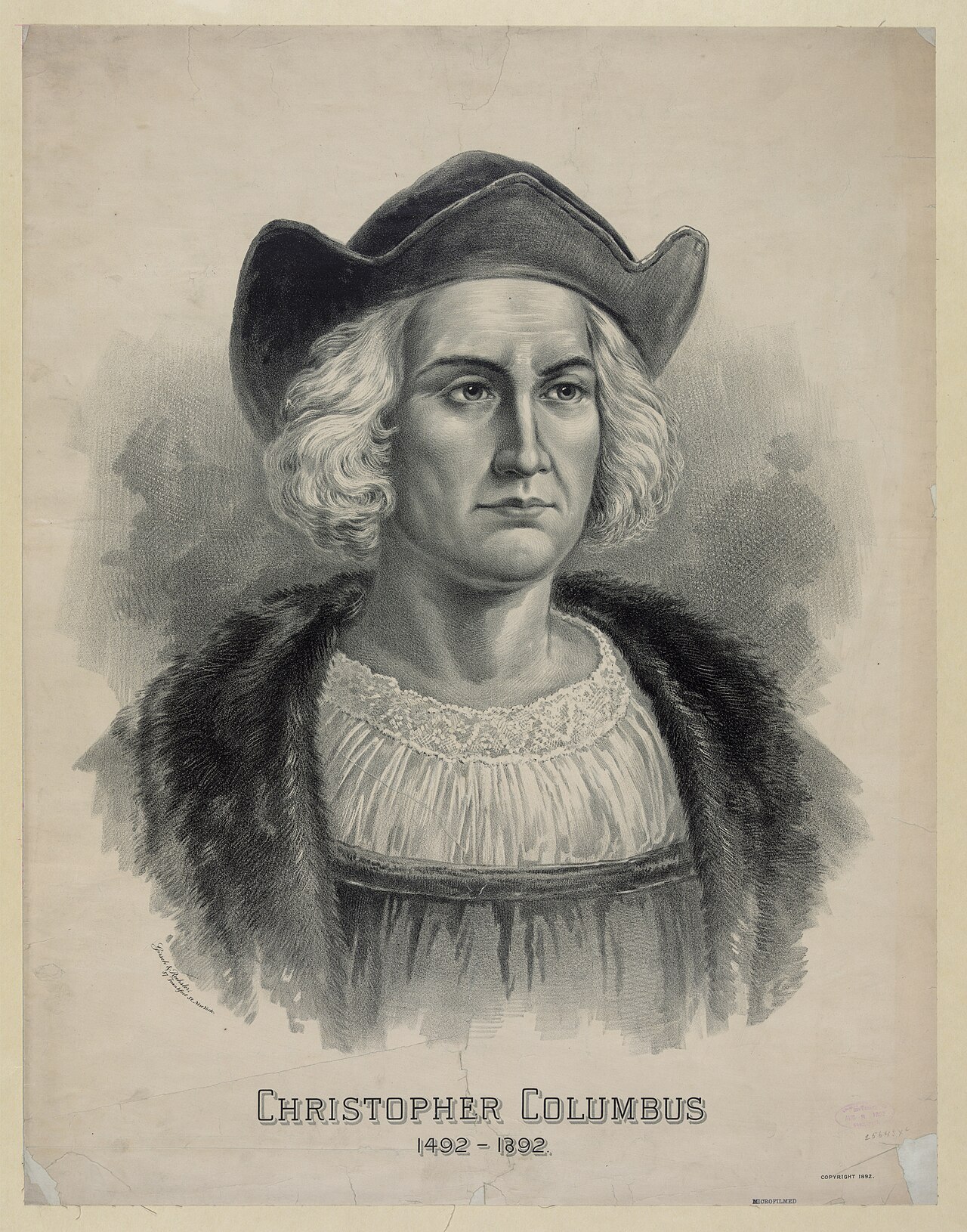
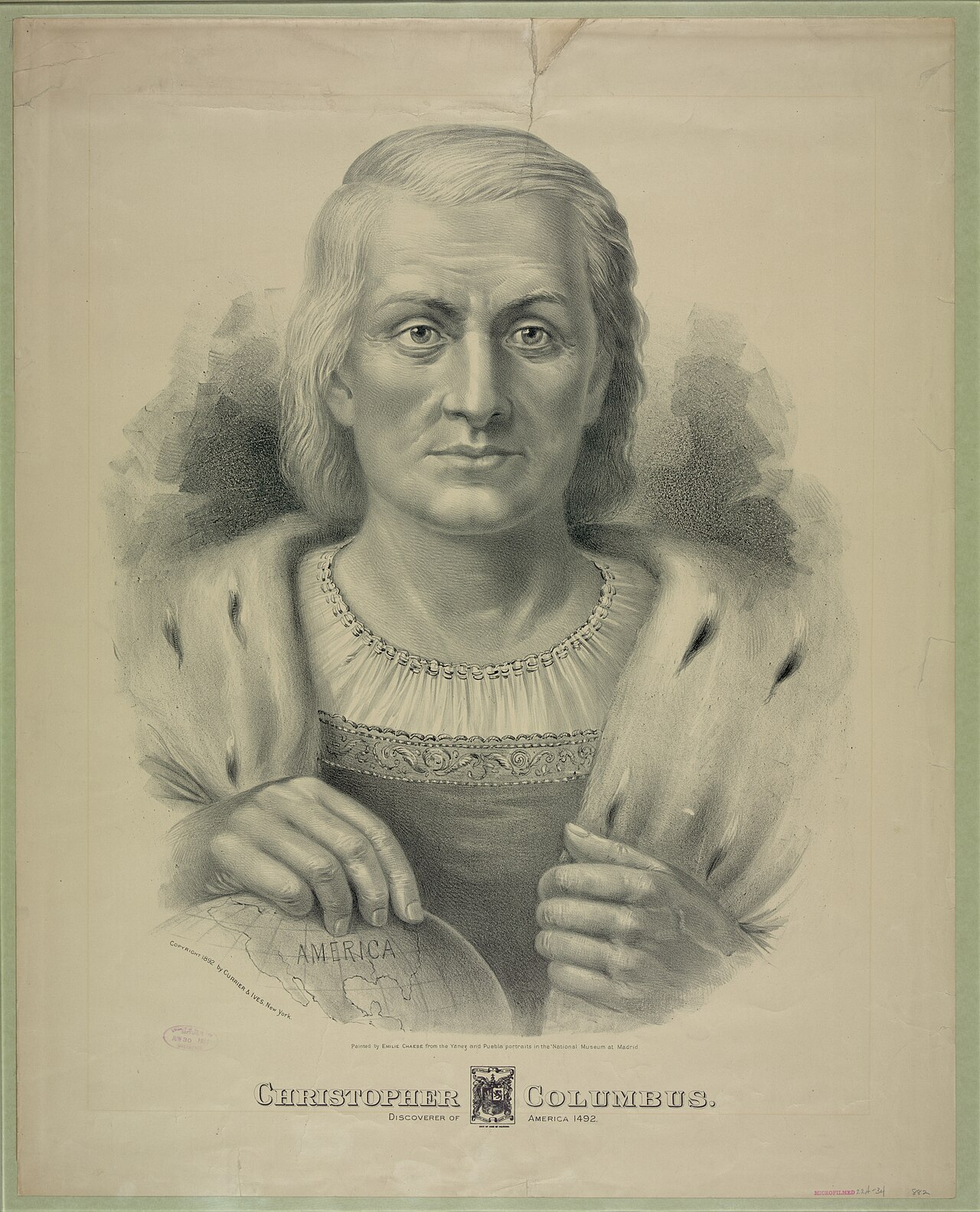
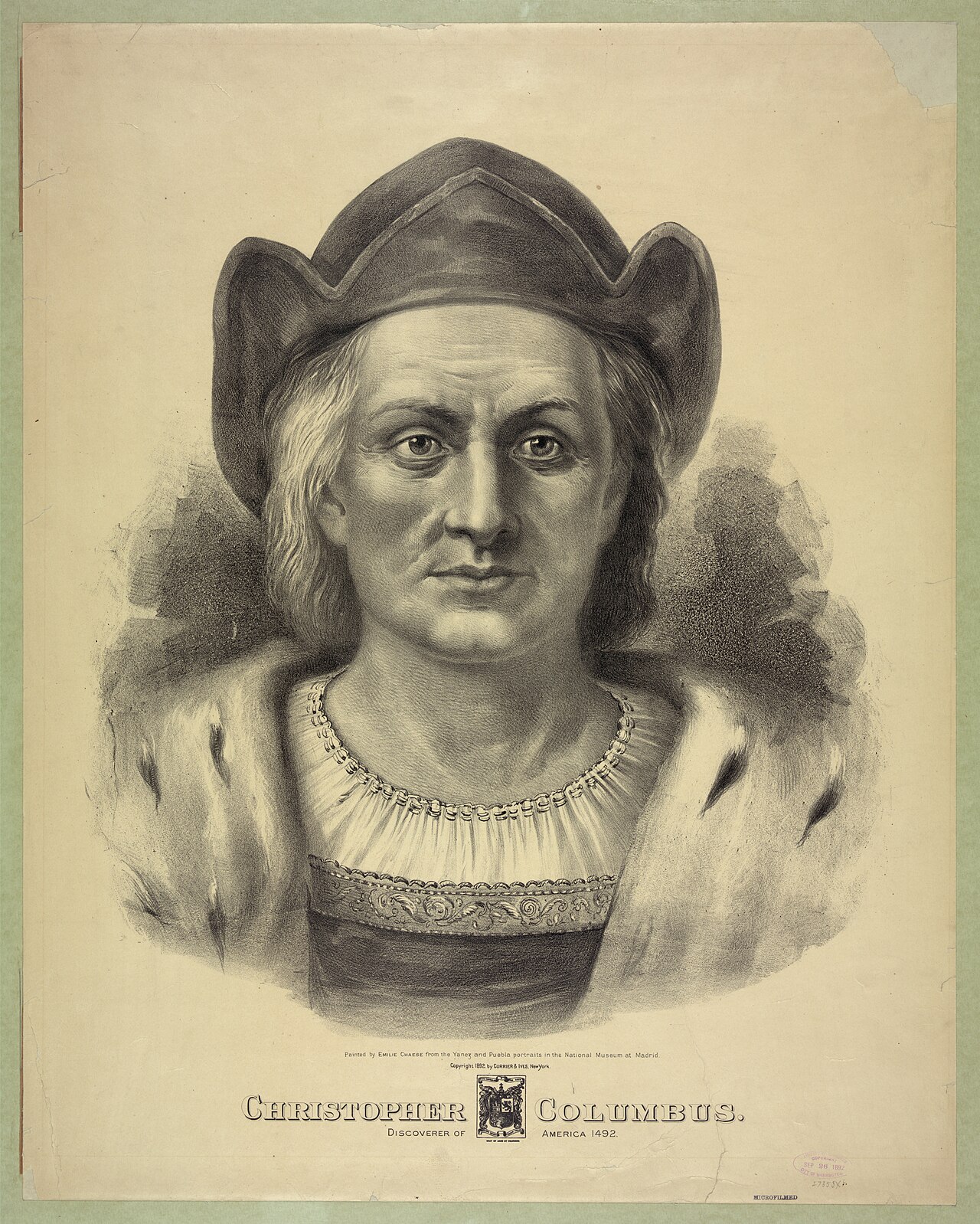
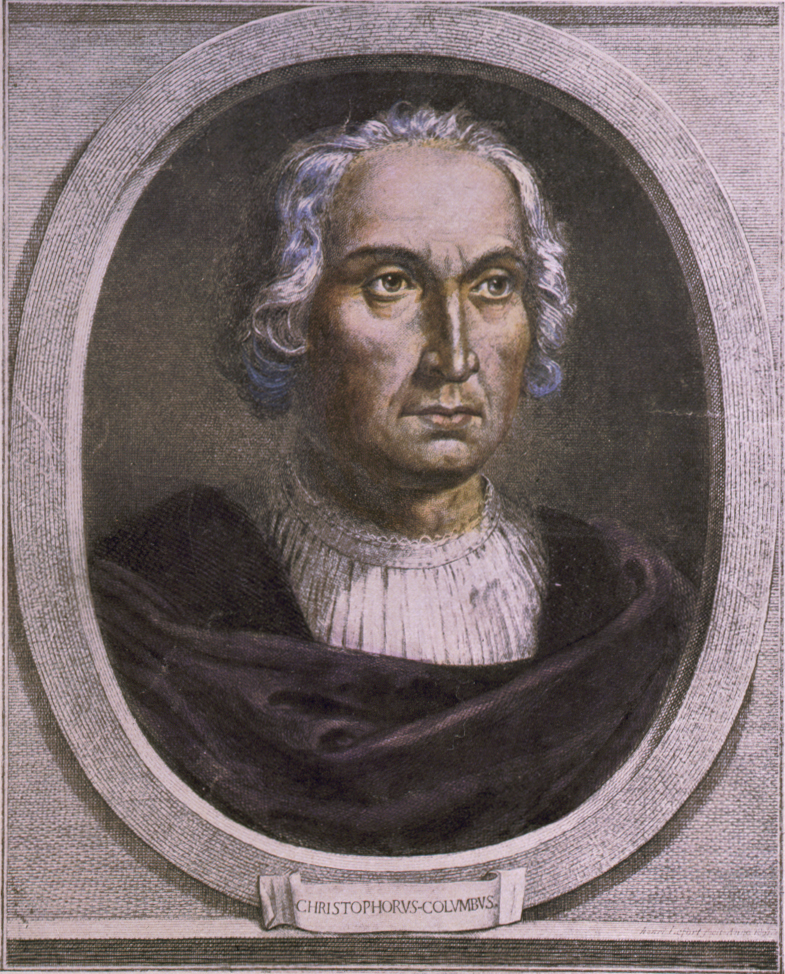
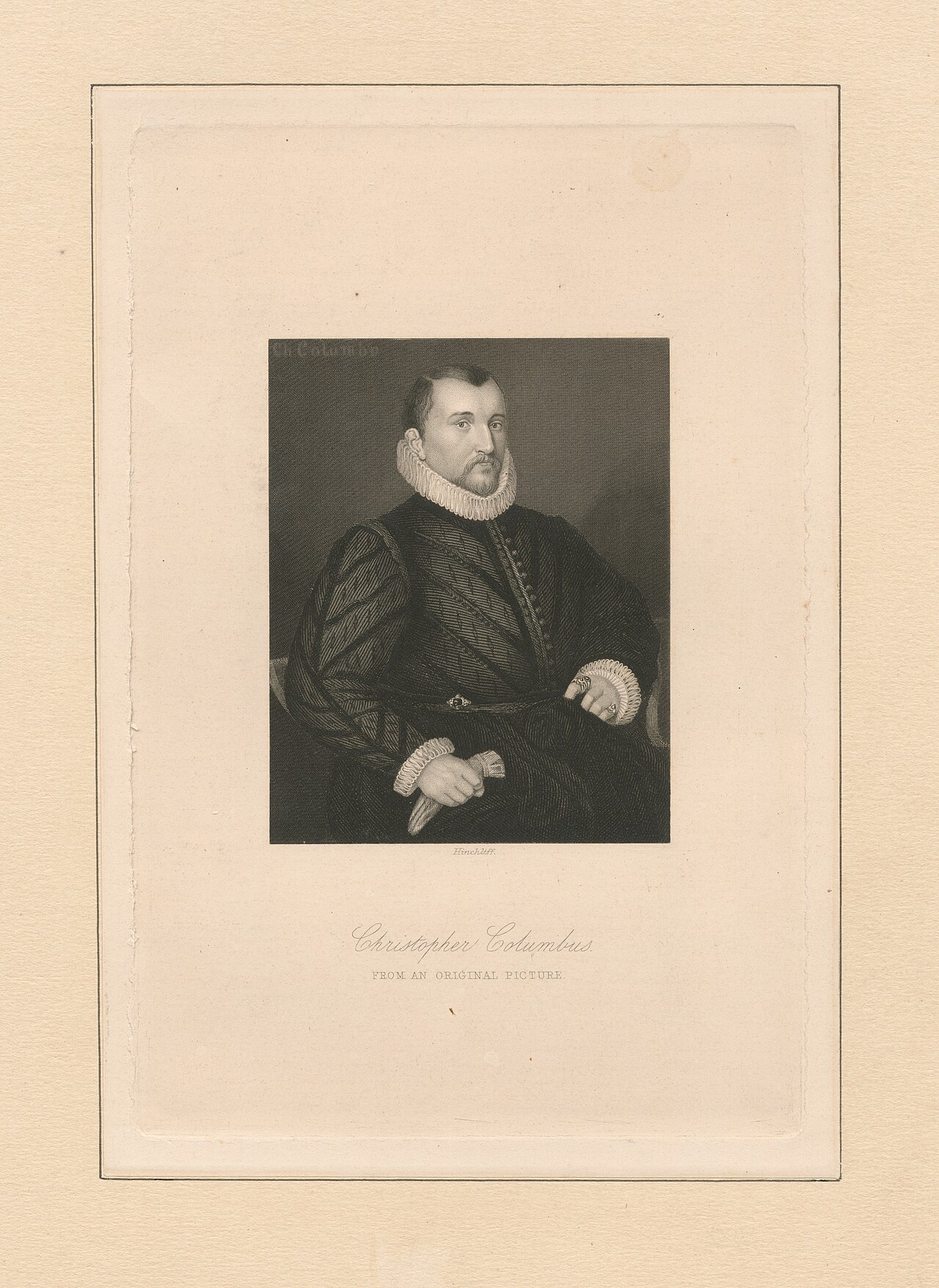
Christopher Columbus (between 25 August and 31 October 1451 – 20 May 1506) was an Italian explorer and navigator from the Republic of Genoa who completed four Spanish transatlantic voyages in the name of the Catholic Monarchs. His expeditions opened the way for widespread European exploration and colonization of the Americas, marking the first known European contact with the Caribbean and Central and South America.
- born
- Between 25 August and 31 October 1451, Republic of Genoa
- died
- 20 May 1506
- field
- Exploration, navigation
- nationality
- Italian (Republic of Genoa)
- known_for
- First European contact with the Caribbean and Central and South America; initiat
Lore & Background
Columbus was born in Genoa, the son of Domenico Colombo, a wool weaver, and Susanna Fontanarossa. He went to sea at age 14 and traveled widely, as far north as the British Isles and as far south as present-day Ghana. He married Portuguese noblewoman Filipa Moniz Perestrelo, who bore his son Diego, and later took a Castilian mistress, Beatriz Enríquez de Arana, who bore his son Ferdinand. Largely self-educated, Columbus was knowledgeable in geography, astronomy, and history. He developed a plan to seek a western sea passage to the East Indies, hoping to profit from the spice trade. After the Granada War and persistent lobbying, the Catholic Monarchs agreed to sponsor his journey west. He left the Port of Palos in August 1492 with three ships and made landfall in the Americas on 12 October, ending the pre-Columbian era. His landing place was an island in the Bahamas known as Guanahani. He visited Cuba and Hispaniola, establishing a colony in what is now Haiti, and returned to Castile in early 1493 with captured natives.
Reader's Guide
Columbus's expeditions inaugurated a period of exploration, conquest, and colonization that lasted for centuries, bringing the Americas into the European sphere of influence. The transfer of plants, animals, precious metals, culture, human populations, technology, diseases, and ideas between the Old World and New World following his first voyage is known as the Columbian exchange. These events and their persistent effects are often cited as the beginning of the modern era. Diseases introduced from the Old World contributed to the genocide of Hispaniola's Indigenous peoples, who were also subject to enslavement and other mistreatments by Columbus's government. As a colonial governor, Columbus was accused by some contemporaries of significant brutality and was removed from the post. His strained relationship with the Crown of Castile led to his arrest and removal from Hispaniola in 1500, and later to protracted litigation over privileges he and his heirs claimed. Increased public awareness of these interactions has led to Columbus being less celebrated in Western culture, which historically idealized him as a heroic discoverer. Numerous places have been named for him.
Did You Know?
- Columbus's name in 15th-century Genoese was Cristoffa Corombo.
- He was shipwrecked off the coast of Lagos, Portugal in August 1476 after French and Portuguese vessels attacked his ship.
- Columbus's son Ferdinand was born in July 1488 and named for the monarch of Aragon.
- He gave the name 'indios' to the Indigenous peoples he encountered.
- Columbus never clearly renounced his belief that he had reached the Far East.
Genoese Origins and a Life at Sea
Christopher Columbus entered the world in the Republic of Genoa sometime between late August and the end of October 1451, son of Domenico Colombo, a wool weaver who worked between Genoa and Savona, and his mother Susanna Fontanarossa. His siblings included three brothers—Bartholomew, Giovanni Pellegrino, and Giacomo—and a sister, Bianchinetta. Columbus claimed to have first gone to sea at fourteen, and by 1473 he was serving as a business agent for the prominent Spinola, Centurione, and Di Negro merchant families. His early voyages carried him to the Aegean island of Chios and, in 1476, aboard an armed Genoese convoy bound for northern Europe, where he likely visited Bristol and Galway. That same year a French and Portuguese attack left his ship wrecked off Lagos, Portugal, and he made his way to Lisbon, where he remained from 1477 to 1485. There he married the Portuguese noblewoman Felipa Perestrello e Moniz, fathered a son named Diego, and traded along the West African coast as far as the Guinea trading post at Elmina in present-day Ghana. Largely self-taught, he cultivated knowledge in geography, astronomy, and history that would shape his later ambitions.
The 1492 Crossing and First Landfall
Columbus conceived a plan to reach the East Indies by sailing westward across the Atlantic, hoping to tap into the lucrative spice trade. After the Granada War concluded, his persistent lobbying across multiple kingdoms finally paid off when the Catholic Monarchs, Queen Isabella I and King Ferdinand II of Castile, agreed to fund the expedition. In August 1492 he departed the Port of Palos with three ships. On 12 October he made landfall on an island in the Bahamas, which its native inhabitants called Guanahani, marking the first known European contact with the Caribbean and the end of the era scholars call the pre-Columbian period. From there he visited the islands now identified as Cuba and Hispaniola, and on the latter he established a colony in what is today Haiti. He returned to Castile in early 1493 carrying captured Indigenous people, and news of the voyage quickly spread across Europe. Columbus later named the peoples he encountered "indios," a term that persists to this day.
Later Expeditions and the Break with the Crown
Following his initial success, Columbus undertook three additional transatlantic voyages. In 1493 he explored the Lesser Antilles; in 1498 he reached Trinidad and the northern coast of South America; and in 1502 he charted the east coast of Central America. Many of the place names he assigned to islands and other geographical features remain in use today. Yet the extent to which he understood that the lands he had reached constituted a wholly separate continent from Asia remains uncertain—he never clearly abandoned his conviction that he had arrived in the Far East. His tenure as colonial governor on Hispaniola proved contentious. Contemporaries accused him of significant brutality toward the Indigenous population, and his strained relationship with the Crown of Castile and its colonial administrators in the Americas culminated in his arrest and removal from the island in 1500. The dispute over the privileges he and his heirs believed were owed by the Crown dragged on through protracted litigation in the years that followed.
The Columbian Exchange and a Reckoning
Columbus's voyages inaugurated centuries of European exploration, conquest, and colonization that drew the Americas firmly into the European sphere of influence. The massive transfer of plants, animals, precious metals, cultural practices, human populations, technology, diseases, and ideas between the Old World and the New World that followed his first crossing is known as the Columbian exchange, a term coined in his honor. These events and their enduring consequences are frequently cited as the opening of the modern era. Yet the same exchanges carried devastating consequences for Indigenous peoples. Diseases introduced from Europe contributed to the genocide of the native population of Hispaniola, who were also subjected to enslavement and other mistreatment under Columbus's own government. As public awareness of these interactions has grown, Columbus has become less celebrated in Western culture, which had long idealized him as a heroic discoverer. Still, numerous places around the world bear his name, a testament to the scale of the transformation his voyages set in motion.
Common Misconceptions (Editorial)
1. A common misconception is that Columbus discovered that the Earth is round, but the facts show he was knowledgeable in geography and astronomy, and the idea of a spherical Earth was already widely accepted among educated Europeans by the 15th century. 2. Some believe Columbus was the first European to set foot on the North American mainland, but the facts indicate his expeditions only made contact with the Caribbean and Central and South America, and his first landfall was an island in the Bahamas. 3. Many think Columbus died in poverty or disgrace, but the facts confirm he lived until 1506 and never clearly renounced his belief that he had reached the Far East, though no details here contradict his later reputation.
Why It Matters (Editorial)
Christopher Columbus remains a pivotal and controversial figure because his voyages initiated lasting European contact with the Americas, transforming global history through colonization, exchange, and conflict. His story endures as a lens for examining the legacies of exploration—both the drive for knowledge and expansion, and the devastating impact on Indigenous peoples that followed.
Notable Quotes (Wikiquote)
"These quotations are translations derived from a summary made by Bartolomé de Las Casas, the original having been lost." — Christopher Columbus "I should not proceed by land to the East, as is custom, but by a Westerly route, in which direction we have hitherto no certain evidence that any one has gone." — Christopher Columbus "Thanks be to God," says the Admiral; "the air is soft as in April in Seville, and it is a pleasure to be in it, so fragrant it is." — Christopher Columbus "The two Christians met on the way many people who were going to their towns, women and men, with a firebrand in the hand, herbs to drink the smoke thereof, as they are accustomed." — Christopher Columbus
Gallery
Frequently Asked Questions
Who is Christopher Columbus?
Columbus was a Genovese navigator born in the late 1450s who commanded four transatlantic crossings under the Spanish crown. He is best remembered as the first European to make documented contact with the Caribbean islands and the wider Americas.
What was Christopher Columbus's role in exploration?
His central role was that of a fleet commander and route-finder, steering Spanish-sponsored ships westward across the Atlantic in search of a sea passage to Asia. His voyages, though aimed at reaching the East, instead opened the Americas to sustained European contact and settlement.
How does Christopher Columbus's story end?
Columbus died on 20 May 1506 in Valladolid, Spain, still embroiled in legal disputes with the crown over the governorship he had been promised. He never returned to the New World after his fourth voyage and passed away in relative disgrace.
Why is Christopher Columbus important in history?
His four voyages set off the Columbian exchange, a sweeping transfer of crops, livestock, diseases, and peoples between the Old and New Worlds. He also launched the era of large-scale European colonization across the Caribbean, Central, and South America.
How many voyages did Columbus make and when did they take place?
He completed four transatlantic expeditions between 1492 and 1504, each one funded by the Catholic Monarchs of Spain. Every crossing expanded European knowledge of the Caribbean archipelago and the northern coastline of South America.
More in Great Explorers 1-22
Spotted an error? Know more?
This is a living reference — every entry is fact-audited, and reader corrections feed straight into our audit queue. Suggest an edit · See this site's audit record