
Roald Amundsen
Norwegian polar explorer who reached both the South and North Poles.

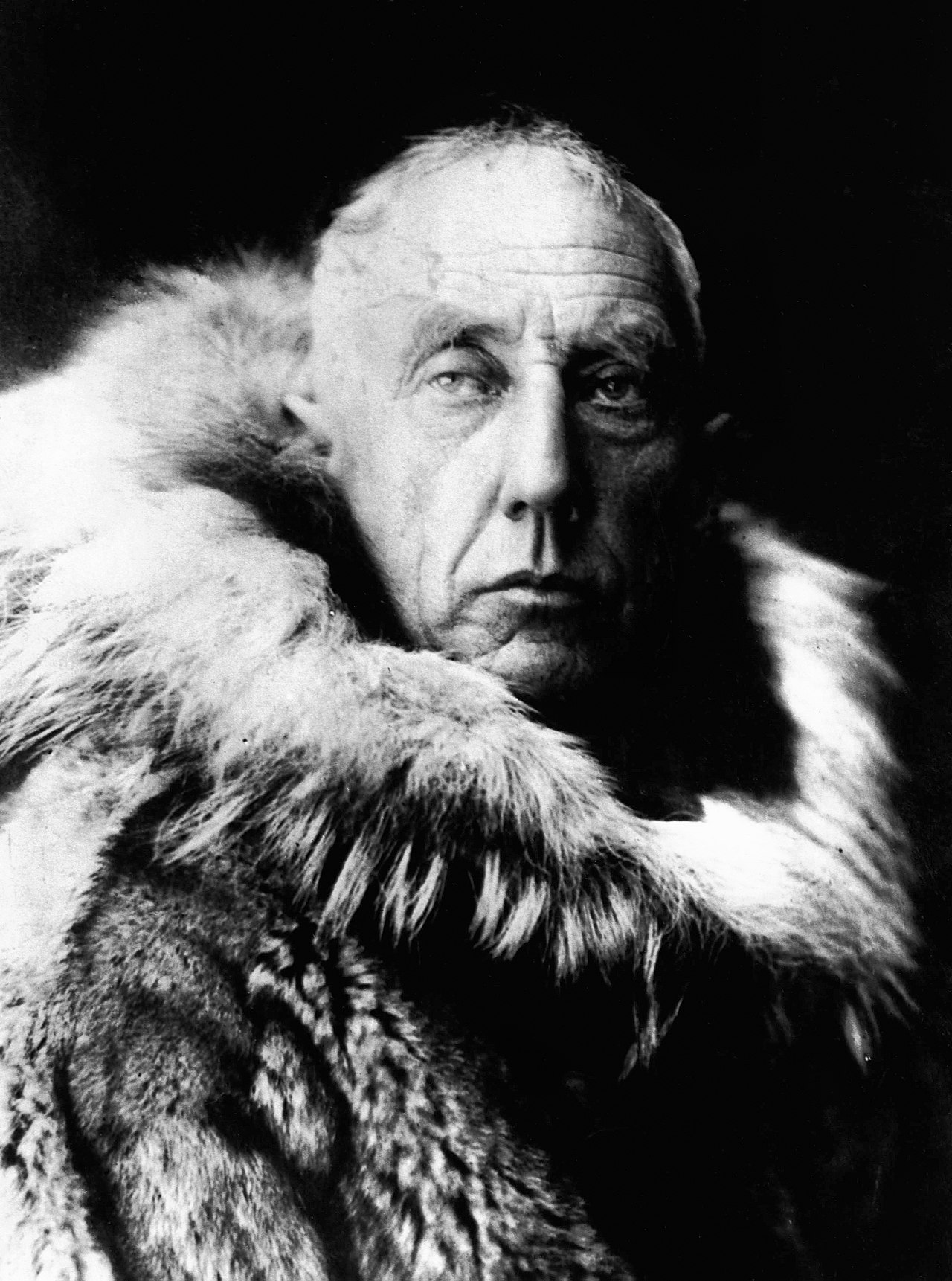
Anonymous Unknown author · Public domain
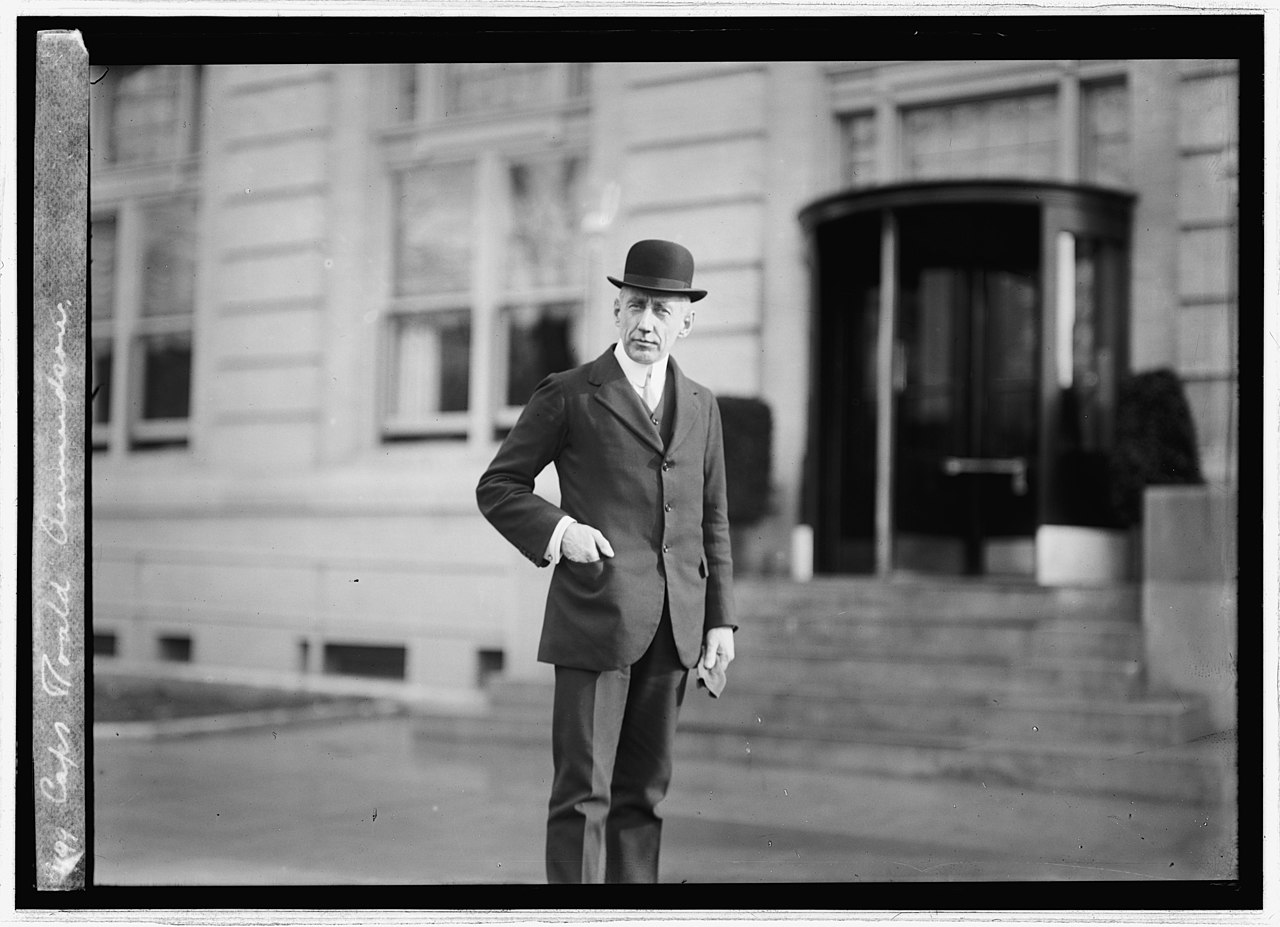
Roald Engelbregt Gravning Amundsen was a Norwegian explorer of polar regions, a key figure of the Heroic Age of Antarctic Exploration. He led the first expedition to successfully traverse the Northwest Passage from 1903 to 1906, and on 14 December 1911 he became the first person to reach the South Pole. On 12 May 1926, he and 15 other men in the airship Norge became the first explorers verified to have reached the North Pole. Amundsen disappeared in June 1928 while flying on a rescue mission for the airship Italia in the Arctic; his remains have never been found.
- born
- 16 July 1872, Borge, Østfold, Norway
- died
- c. 18 June 1928, Arctic (disappeared)
- field
- Polar exploration
- nationality
- Norwegian
- known_for
- First to reach the South Pole; first to traverse the Northwest Passage; first ve
Verified Timeline
Lore & Background
Amundsen was born into a family of Norwegian shipowners and captains in Borge, Østfold, on 16 July 1872. His mother wanted him to become a doctor, but after her death when he was 21, he quit university for a life at sea. As a child in the Uranienborg neighbourhood, he was an occasional playmate of the pioneering Antarctica explorer Carsten Borchgrevink. At fifteen, he was enthralled by reading Sir John Franklin's narratives of his overland Arctic expeditions, writing, 'I read them with a fervid fascination which has shaped the whole course of my life.' He began his polar career as first mate on Adrien de Gerlache's Belgian Antarctic Expedition of 1897–1899, which became the first expedition to overwinter in Antarctica. From 1903 to 1906, he led the first expedition to successfully traverse the Northwest Passage on the sloop Gjøa, learning Arctic survival skills from the local Netsilik Inuit. In 1909, after hearing claims that the North Pole had been reached, Amundsen secretly rerouted his planned Arctic expedition to Antarctica. He left Norway in June 1910 on the ship Fram, reaching Antarctica in January 1911. His party established a camp at the Bay of Whales and set up supply depots before setting out for the pole in October. On 14 December 1911, Amundsen and four companions became the first to reach the South Pole. Following a failed attempt in 1918 to reach the North Pole by traversing the Northeast Passage on the ship Maud, he turned to aerial exploration. On 12 May 1926, he and 15 others in the airship Norge became the first explorers verified to have reached the North Pole. Amundsen disappeared in June 1928 while flying on a rescue mission for the airship Italia in the Arctic; the search for his remains was called off that September.
Reader's Guide
Roald Amundsen's significance lies in his pioneering achievements in both polar regions during the Heroic Age of Antarctic Exploration. He was the first to successfully traverse the Northwest Passage, a centuries-old goal, and the first to reach the South Pole, doing so with careful preparation, effective use of dogs and skis, and Inuit-inspired clothing. His South Pole expedition, arriving a month before Robert F. Scott's party, demonstrated the value of planning and adaptability. Amundsen also became part of the first verified team to reach the North Pole via airship in 1926. His disappearance while attempting to rescue the crew of the airship Italia underscores his commitment to polar exploration. Amundsen's methods—learning from indigenous peoples, using small ships, and prioritizing fresh meat to prevent scurvy—influenced later expeditions. His legacy endures as a symbol of Norwegian exploration and the human drive to conquer the most remote places on Earth.
Did You Know?
- Amundsen was an occasional childhood playmate of the pioneering Antarctica explorer Carsten Borchgrevink.
- At age 15, Amundsen was inspired by reading Sir John Franklin's Arctic narratives, which he said 'shaped the whole course of my life.'
- During the Belgian Antarctic Expedition, the American doctor Frederick Cook likely saved the crew from scurvy by hunting animals for fresh meat.
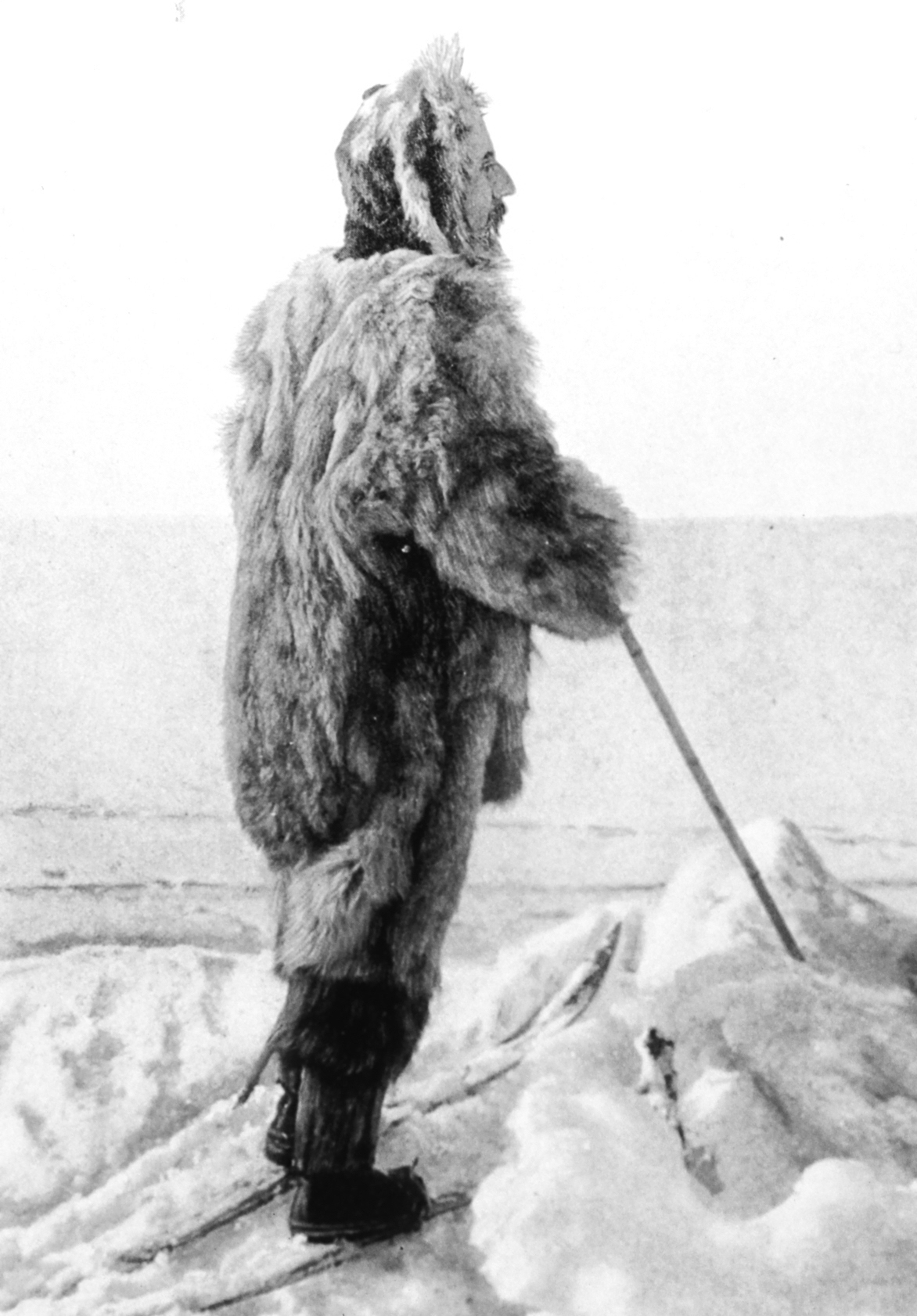
- Amundsen learned from the Netsilik Inuit to use sled dogs and wear animal skins instead of heavy woolen parkas.
- Amundsen sent a telegram to Robert F. Scott from Madeira reading: 'Beg to inform you Fram proceeding Antarctic – Amundsen.'
The Boy Who Chose the Sea
Roald Engelbregt Gravning Amundsen entered the world on 16 July 1872 in the small Norwegian town of Borge, between Fredrikstad and Sarpsborg. He was the fourth son born to Jens Amundsen and Hanna Sahlqvist, a family steeped in the maritime trade of shipowning and captaincy. His mother, hoping to steer him away from the sea, encouraged him to study medicine, and Roald honored that wish until her death when he was twenty-one. Freed from that obligation, he abandoned university and threw himself into a life on the water. In the Uranienborg neighborhood, young Amundsen played alongside Carsten Borchgrevink, who would later become a pioneering Antarctic explorer. The defining intellectual spark came at fifteen, when he devoured Sir John Franklin's accounts of overland Arctic journeys. Amundsen later recalled reading those narratives with a fervid fascination that shaped the whole course of his life, a sentence that reads less like a memory than a prophecy.
Gjøa and the Wisdom of the Ice
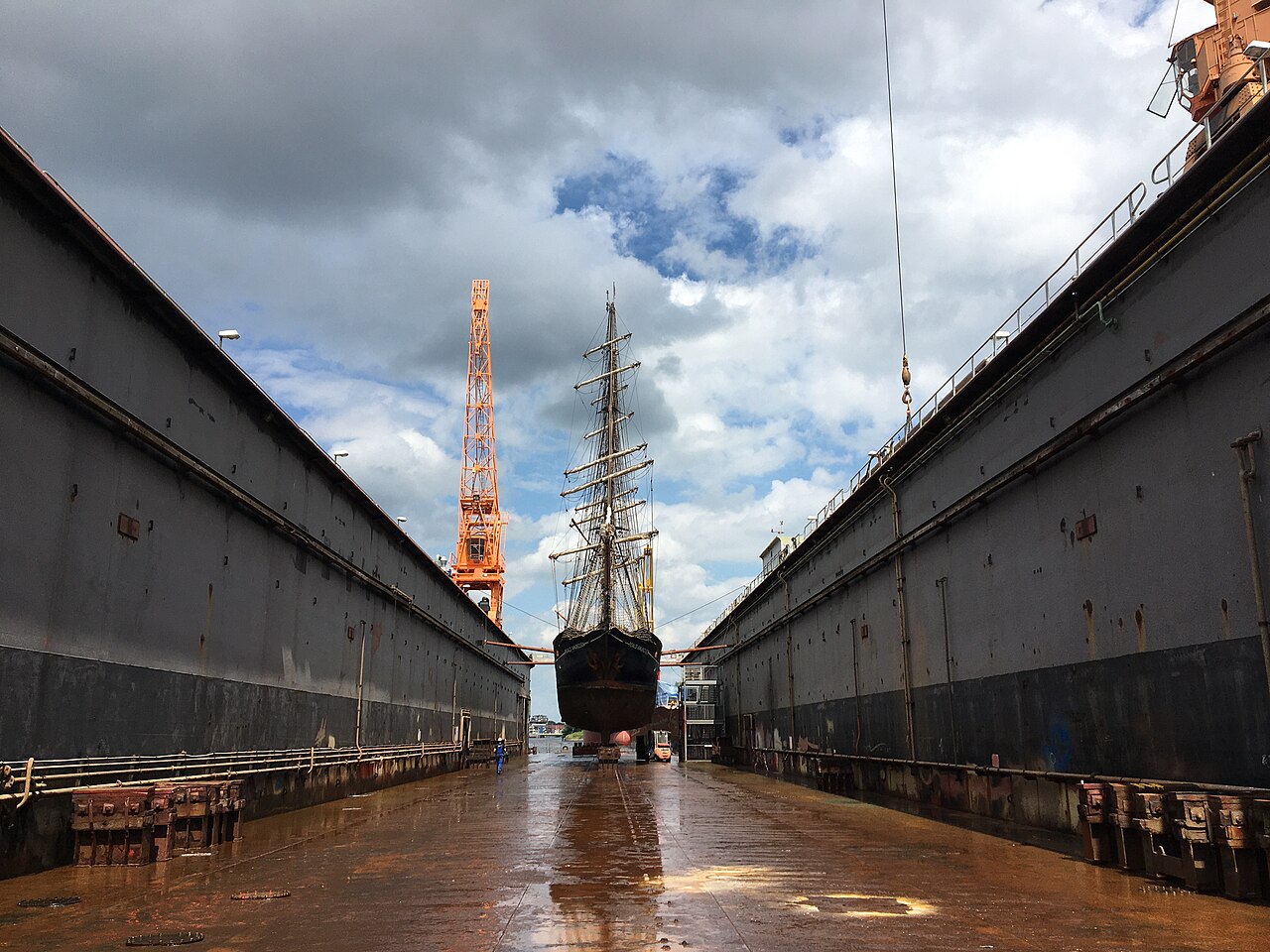
In 1903, Amundsen set out with just six men aboard the 45-ton sloop Gjøa to accomplish what no one had done before: sail the entire Northwest Passage between the Atlantic and Pacific. His strategy was deliberately modest. The vessel's shallow draft and a small 13 horsepower paraffin engine let him hug coastlines and slip through narrow channels where larger ships could never follow. The route carried them through Baffin Bay, the Parry Channel, and a string of straits before they wintered twice on King William Island, in the harbor now called Gjoa Haven. Those long Arctic winters proved transformative. Amundsen and his crew absorbed survival knowledge from the Netsilik Inuit, learning to use sled dogs for transport and to wear animal skins instead of heavy woolen parkas that could not keep out the cold when wet. The ship cleared the Canadian Arctic Archipelago on 17 August 1905, but a final winter stop forced them to Nome, Alaska, where Amundsen trekked 500 miles overland to the nearest telegraph station at Eagle to wire his success message on 5 December. The crew reached Oslo in November 1906, and Gjøa herself would not return to Norway until 1972, when she was placed in her own building at the Fram Museum.
The Pole at Last
By 1909, Amundsen had been planning a North Pole expedition, but when news arrived that both Frederick Cook and Robert Peary had staked competing claims to the pole, he quietly pivoted his ambitions southward. He was vague about his true destination, and both Robert F. Scott and his Norwegian backers felt they had been misled. Using the Fram, the same vessel Fridtjof Nansen had once sailed, Amundsen departed Oslo on 3 June 1910. At Madeira he finally told his crew their real destination and fired off a terse telegram to Scott: 'Beg to inform you Fram proceeding Antarctic – Amundsen.' Nearly six months later, on 14 January 1911, the expedition made landfall at the Bay of Whales on the eastern edge of the Ross Ice Shelf. There Amundsen established his base camp, which he named Framheim, and organized a chain of supply depots at 80°, 81° and 82° South on the Barrier. In October, a party of five set out on the final push. On 14 December 1911, they reached the South Pole, becoming the first humans to stand at that point. The Inuit-derived skills Amundsen had gathered years earlier in the Canadian Arctic—sled dogs, practical clothing—proved essential to that success.
Norge, Italia, and the Vanishing
After a 1918 attempt to reach the North Pole by sailing the Northeast Passage aboard the Maud ended in failure, Amundsen turned his attention to the skies. On 12 May 1926, he and fifteen companions took to the air in the airship Norge and became the first group of explorers whose arrival at the North Pole was independently verified. The achievement capped a career that had already seen him traverse the Northwest Passage and plant a flag at the South Pole, cementing his status as a central figure of the Heroic Age of Antarctic Exploration. Yet his story ended not with triumph but with mystery. In June 1928, Amundsen took to the air again, this time on a rescue mission for the stranded airship Italia in the Arctic. He never returned. A search was mounted but called off by September of that year, and his remains were never located. The man who had conquered both poles vanished into the very ice and sky he had spent his life mastering, leaving behind a silence that endures to this day.
Common Misconceptions (Editorial)
1. A common misconception is that Amundsen's 1910–1912 Antarctic expedition was always intended for the South Pole; in fact, the facts show he secretly rerouted his planned Arctic expedition to Antarctica in 1909 after hearing claims the North Pole had been reached. 2. Some believe Amundsen reached the North Pole first by sled or ship, but according to the records, he was the first verified to reach the North Pole on 12 May 1926 via the airship Norge, not on foot or by sea.
Why It Matters (Editorial)
Roald Amundsen’s legacy endures because he redefined the limits of human endurance and ingenuity in the world’s most hostile environments. By combining meticulous planning with critical lessons learned from Indigenous peoples, he achieved historic firsts at both poles, proving that survival and exploration depend as much on adaptability as on ambition.
Notable Quotes (Wikiquote)
"So we arrived, and planted our flag at the geographical South Pole. Thanks be to God!" — Roald Amundsen "Sydpolen, 2-vols, 1912. Translated as The South Pole: An Account of the Norwegian Antarctic Expedition in the "Fram," 1910–1912, translated by A. G. Chater, 1912." — Roald Amundsen "Everything is on a reduced scale here in the Polar regions; we can't afford to be extravagant." — Roald Amundsen "We see many fine sunsets here, unique in the splendour of their colour. No doubt the surroundings in this fairyland of blue and white do much to increase their beauty." — Roald Amundsen
Gallery
Frequently Asked Questions
Who is Roald Amundsen?
Roald Amundsen was a Norwegian polar explorer born in 1872 in Borge, Østfold, who became one of the defining figures of the Heroic Age of Antarctic Exploration. He is most celebrated for commanding the first team to plant a flag at the South Pole in December 1911.
What are Roald Amundsen's major achievements?
He was the first person to reach the South Pole, the first to traverse the Northwest Passage, and among the first verified explorers to arrive at the North Pole in 1926. These three milestones make him one of the few figures in history to stand at both geographic poles.
How does Roald Amundsen's story end?
Amundsen disappeared around 18 June 1928 while searching for a missing fellow explorer in the Arctic. His aircraft was never recovered, and he was presumed dead, leaving his final hours a permanent mystery.
Why is Roald Amundsen important in exploration history?
He reshaped what was thought possible in polar travel by proving the South Pole was reachable and that the Northwest Passage was navigable. His meticulous planning and physical endurance set a benchmark that later polar expeditions still reference.
When and how did Amundsen reach the South Pole?
He and a small team of four Norwegian companions arrived at the South Pole on 14 December 1911, beating Robert Falcon Scott's British party by roughly 34 days. The crossing was made primarily by dog sled across the polar plateau.
More in Great Explorers 1-22
Spotted an error? Know more?
This is a living reference — every entry is fact-audited, and reader corrections feed straight into our audit queue. Suggest an edit · See this site's audit record