
James Cook
British Royal Navy officer who mapped much of the Pacific and Southern Oceans.

via Wikipedia: James Cook · see source
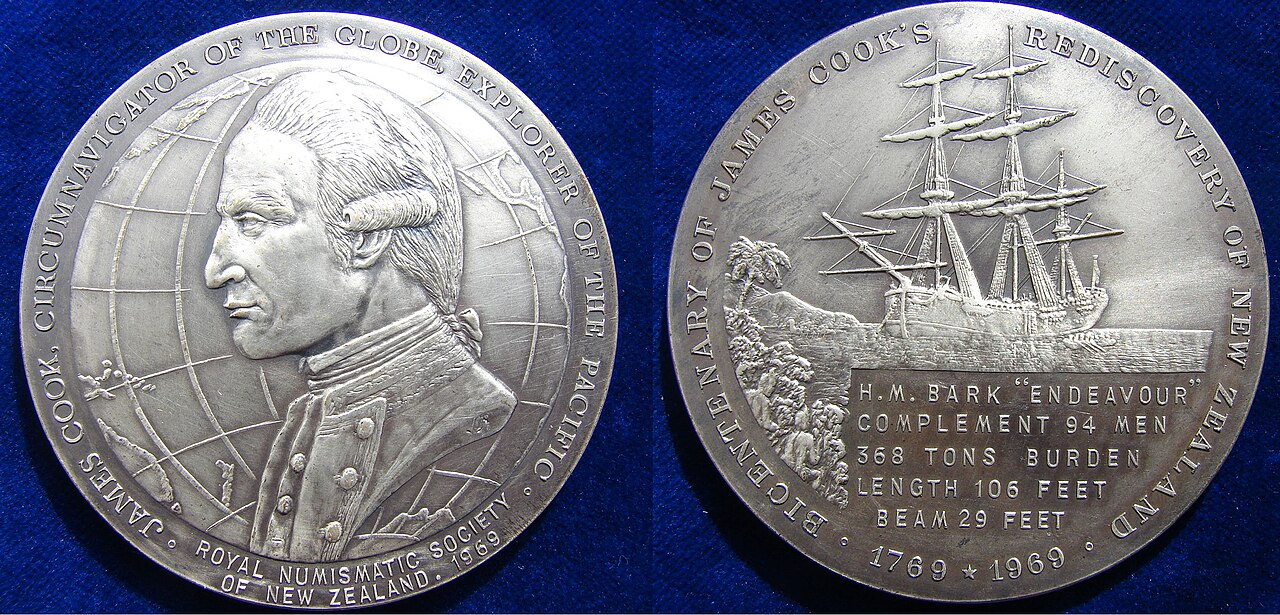
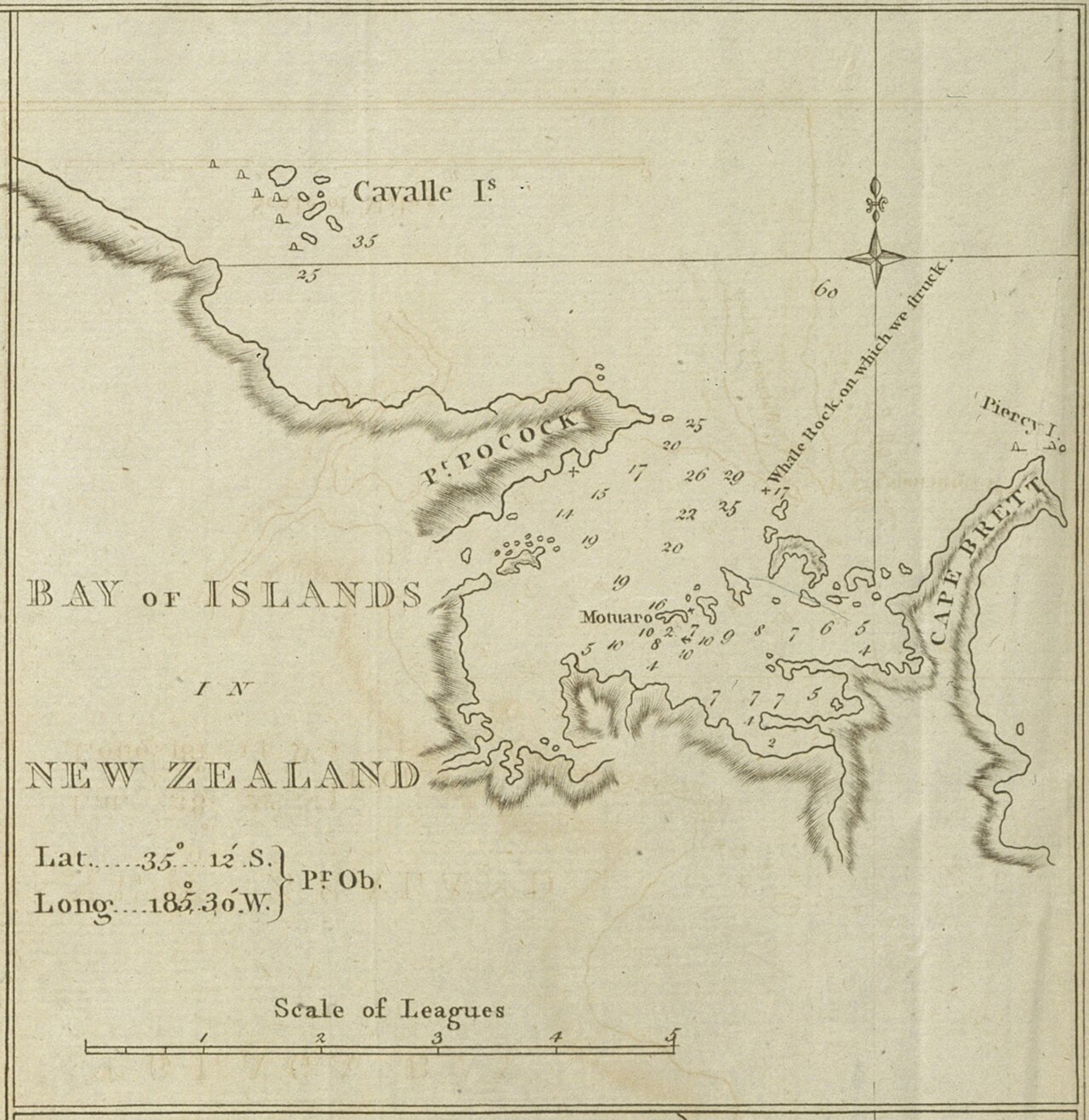
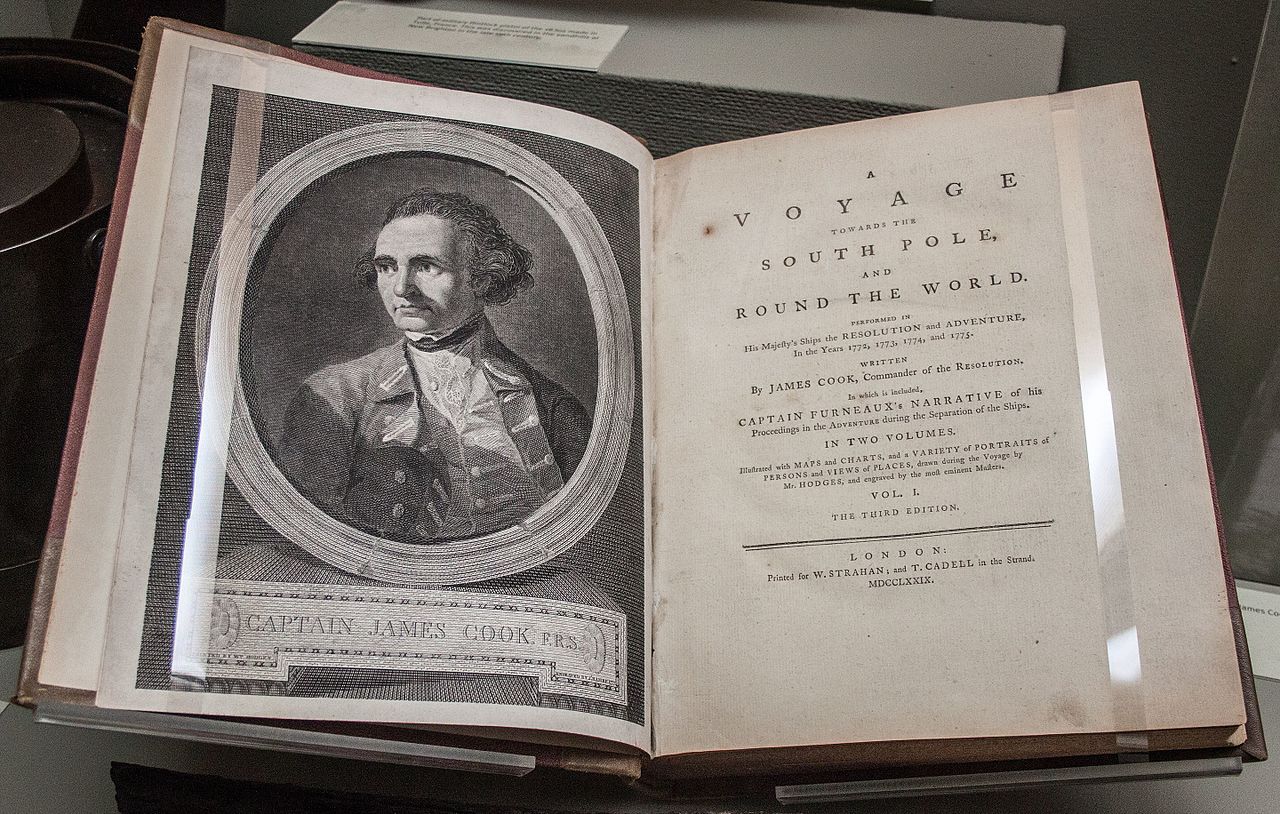
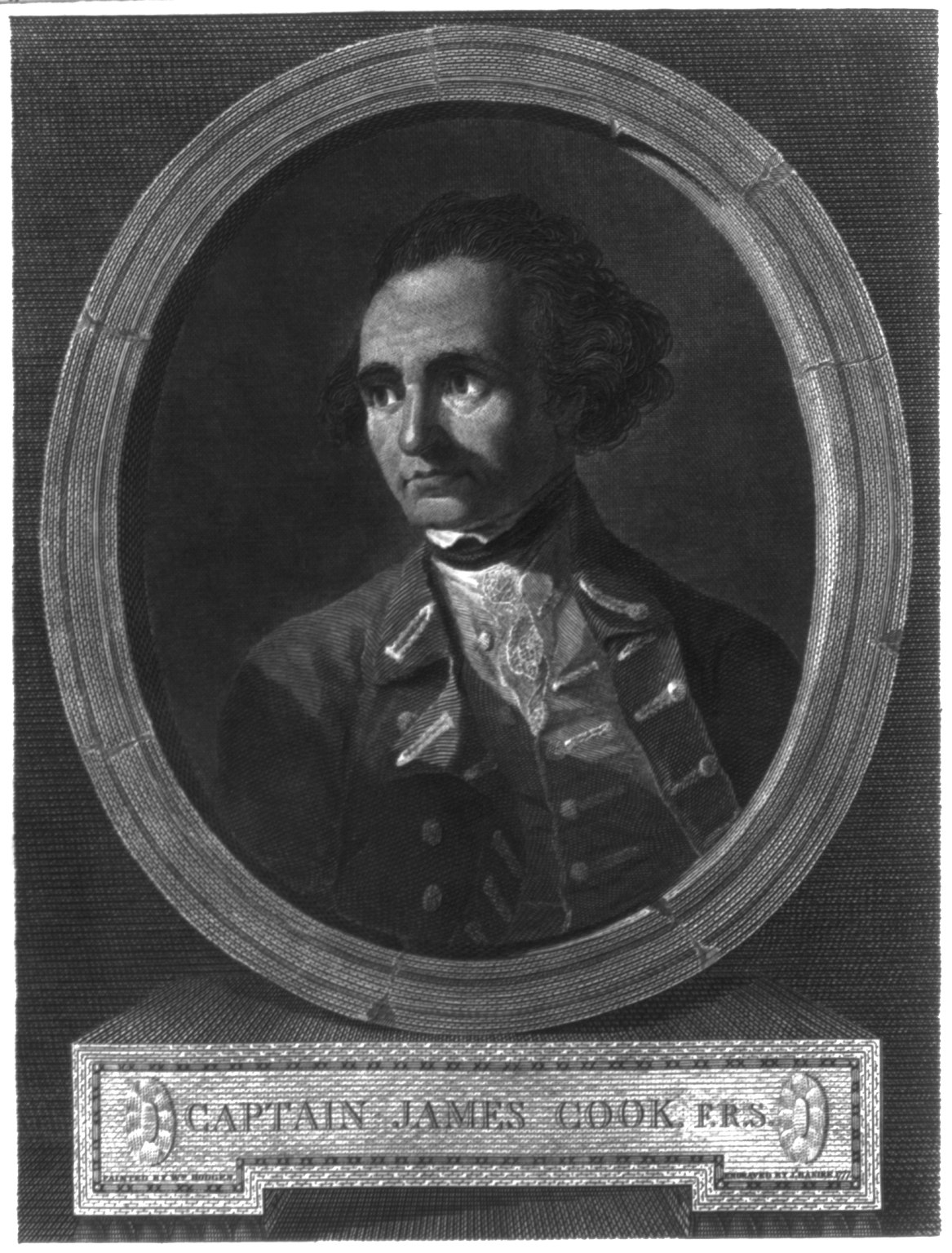
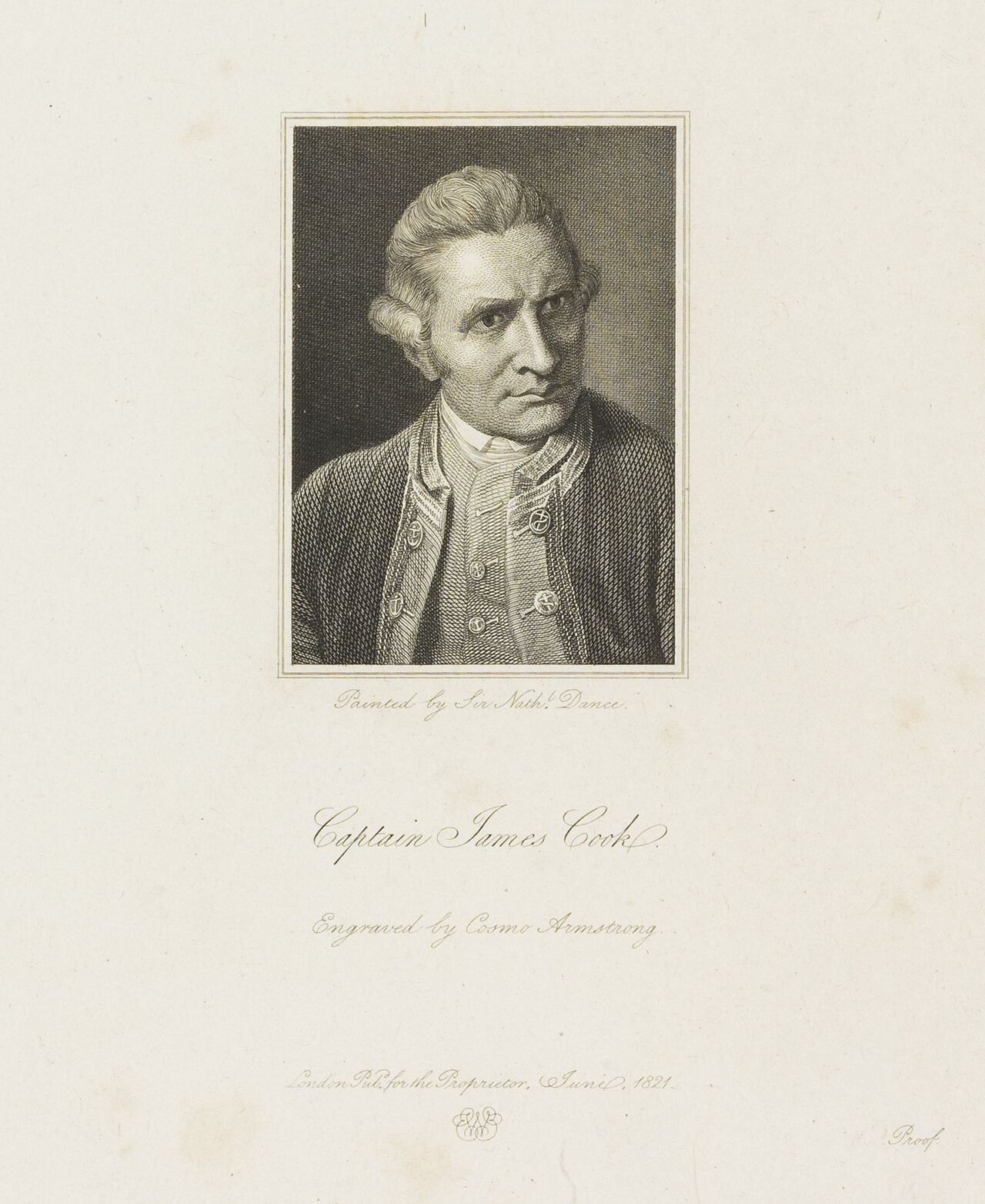
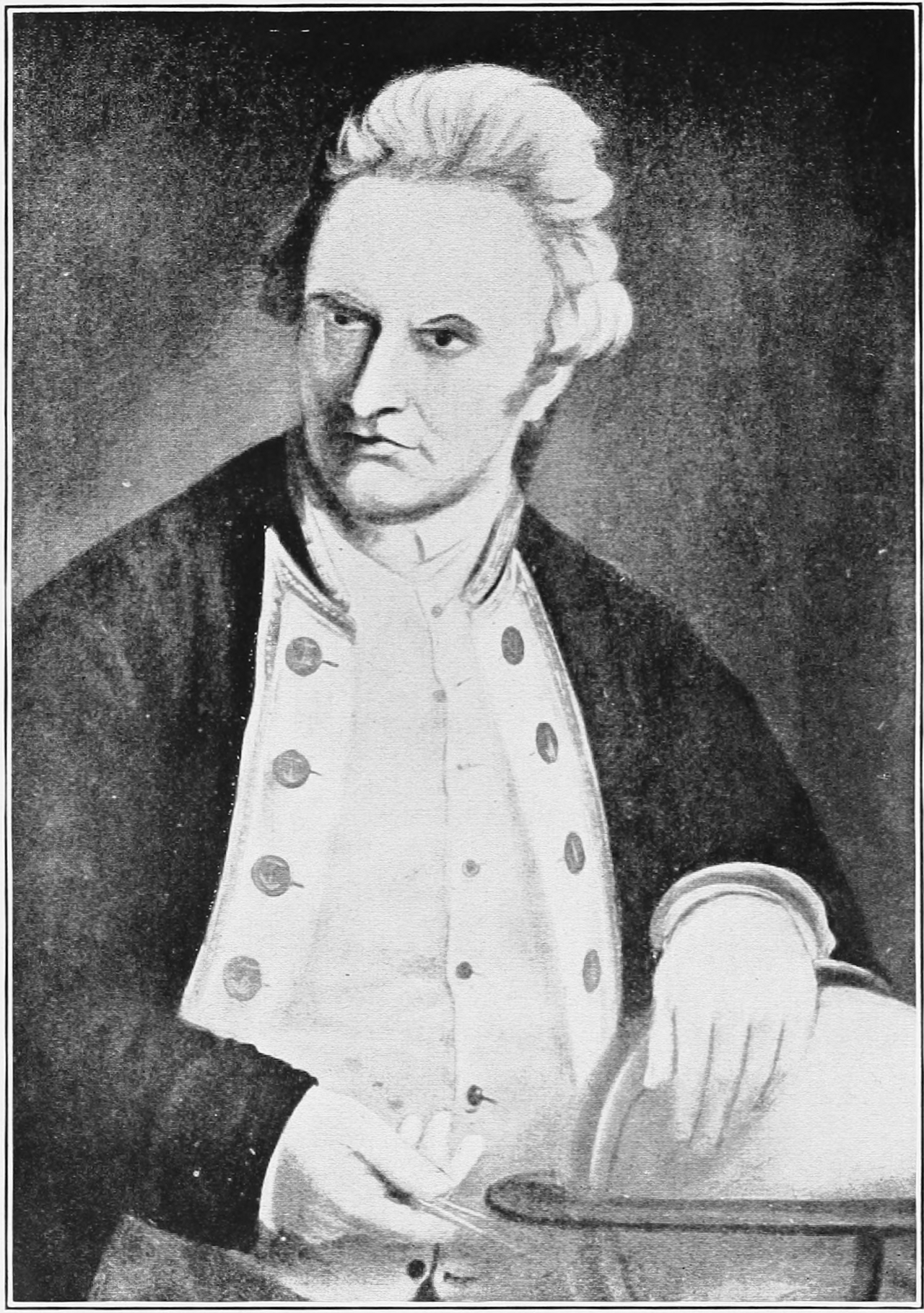
James Cook (7 November 1728 – 14 February 1779) was a British Royal Navy officer, explorer, and cartographer who led three voyages of exploration to the Pacific and Southern Oceans between 1768 and 1779. He completed the first recorded circumnavigation of the main islands of New Zealand, and led the first recorded visit by Europeans to the east coast of Australia and the Hawaiian Islands. Cook joined the British merchant navy as a teenager before enlisting in the Royal Navy in 1755. He first saw combat during the Seven Years' War, when he fought in the Siege of Louisbourg. Later in the war he surveyed and mapped much of the entrance to the St. Lawrence River during the Siege of Quebec. In the 1760s he mapped the coastline of Newfoundland and made important astronomical observations which brought him to the attention of the Admiralty and the Royal Society.
- born
- 7 November 1728, Marton, North Riding of Yorkshire
- died
- 14 February 1779, Hawaii
- nationality
- British
- known_for
- First recorded circumnavigation of New Zealand's main islands; first European vi
Lore & Background
James Cook was born on 7 November 1728 in the village of Marton, in the North Riding of Yorkshire, the second of eight children. In 1745, when he was 16, Cook relocated to Staithes to be apprenticed as a shopboy to grocer William Sanderson. After 18 months, proving not suited for shop work, he travelled to Whitby and was taken on as a merchant navy apprentice in the Walkers' coal fleet. His first assignment was aboard the collier Freelove. As part of his apprenticeship, Cook applied himself to the study of algebra, geometry, trigonometry, navigation and astronomy. Upon completing his three-year apprenticeship, he began working on merchant ships in the Baltic Sea. After obtaining his mariner licence in 1752 he was promoted to mate and served on the collier brig Friendship for two and a half years. At age 26, Cook declined a promotion to captain of Friendship and instead joined the Royal Navy at Wapping on 17 June 1755. He first served aboard HMS Eagle, taking part in the capture of one French warship and the sinking of another. In June 1757 he passed his master's examinations at Trinity House. During the Seven Years' War, Cook served as master aboard HMS Pembroke and took part in the major amphibious assault that captured the Fortress of Louisbourg in 1758. After the fall of Louisbourg, he met army officer Samuel Holland, who taught him land-surveying techniques. They collaborated on charts of the entrance to the St. Lawrence River. Cook's first map to be engraved and printed was of Gaspé Bay, drawn in 1758 and published in 1759. During the advance on Quebec in 1759, Cook took soundings and updated charts, enabling Major-General James Wolfe's stealthy nighttime attack. In the 1760s, Cook was appointed master of HMS Grenville and spent five seasons charting the rugged coast of Newfoundland. He precisely recorded the start and end of the solar eclipse of 5 August 1766, sending results to astronomer John Bevis, who calculated the difference in longitude between Newfoundland and Oxford. These results were communicated to the Royal Society in 1767. Cook's achievements led to his 1768 commission as commander of HMS Endeavour for his first Pacific voyage. During his three voyages, Cook sailed tens of thousands of miles across largely uncharted areas, mapping coastlines including Easter Island, Alaska and South Georgia Island. He made contact with numerous indigenous peoples and claimed territories for Great Britain. In 1779, during his second visit to Hawaii, Cook was killed when a dispute with Native Hawaiians turned violent.
Reader's Guide
James Cook's significance comes from his systematic charting of vast, previously unmapped regions of the Pacific and Southern Oceans. His three voyages between 1768 and 1779 produced the first recorded European circumnavigation of New Zealand's main islands and the first European visits to the east coast of Australia and the Hawaiian Islands. Cook's cartographic work set new standards for accuracy, informed by his earlier training in Newfoundland and his collaboration with surveyor Samuel Holland, who taught him land-surveying techniques after the fall of Louisbourg in 1758. The integration of Holland's methods with Cook's hydrographic expertise enabled Cook to produce nautical charts that significantly exceeded the accuracy of most contemporary charts. Cook's contributions to the prevention of scurvy led the Royal Society to award him the Copley Gold Medal. Renowned for exceptional seamanship and courage, he was patient, persistent, sober, and competent, but sometimes hot-tempered. His voyages left a legacy of scientific and geographical knowledge that influenced his successors well into the 20th century. Numerous memorials have been dedicated to him worldwide. His death in Hawaii in 1779 marked the end of a career that dramatically expanded European knowledge of the Pacific.
Did You Know?
- Cook's first map to be engraved and printed was of Gaspé Bay, drawn in 1758 and published in 1759.
- Cook severely injured his right hand in August 1764 when a powder horn he was carrying exploded.
- In July 1765, Cook experienced the first of several ship groundings when HMS Grenville struck an uncharted rock.
- Cook precisely recorded the solar eclipse of 5 August 1766 from Newfoundland, and the results were communicated to the Royal Society in 1767.
- Cook declined a promotion to captain of the merchant ship Friendship in 1755 to instead join the Royal Navy as an able seaman.
Common Misconceptions (Editorial)
Some people believe James Cook discovered Australia or New Zealand, but the facts show he led the first recorded European visit to the east coast of Australia and completed the first recorded circumnavigation of New Zealand's main islands—meaning Indigenous peoples had already inhabited both lands for centuries. Another common misconception is that Cook’s death was the result of a sudden, unprovoked attack; in reality, he was killed during a dispute with Native Hawaiians that turned violent, not a random act.
Why It Matters (Editorial)
James Cook’s legacy matters because his voyages fundamentally reshaped global geography, filling in vast blank spaces on European maps of the Pacific and Southern Oceans. His precise surveying and astronomical observations set new standards for navigation and cartography, while his encounters with Indigenous peoples also initiated complex and often destructive colonial histories that continue to resonate today.
Notable Quotes (Wikiquote)
"I whose ambition leads me not only farther than any other man has been before me, but as far as I think it possible for man to go ..." — James Cook "If I have failed in discovering a Continent it is because it does not exist." — James Cook "The study of Cook is the illumination of all discovery." — James Cook "For the aborigins of Australia, and to a lesser extent for the Maori of New Zealand, the Cook expedition was the beginning of a catastrophe from which they have never fully recovered." — James Cook
Gallery
Frequently Asked Questions
Who is James Cook?
James Cook was a British Royal Navy officer and cartographer born in 1728 in Marton, Yorkshire, who became one of history's most accomplished Pacific explorers. He led three major voyages between 1768 and 1779, charting vast stretches of the Pacific and Southern Oceans.
What was James Cook's role and area of expertise?
Cook served as a naval officer specializing in exploration, cartography, and navigation. His primary contribution was producing highly accurate maps of previously uncharted Pacific coastlines and islands.
How does James Cook's story end?
Cook met his death on 14 February 1779 during a confrontation with locals in Hawaii while on his third voyage. His killing ended his active exploration career, though his charts and findings continued to shape geography for generations afterward.
Why is James Cook important to exploration history?
He completed the first recorded circumnavigation of New Zealand's main islands and led the first documented European landings on Australia's east coast and the Hawaiian Islands. His detailed charts and scientific observations set a standard that influenced navigators well into the 20th century.
What are James Cook's most notable achievements?
Beyond mapping the Pacific, Cook was the first European to record visits to both the east coast of Australia and the Hawaiian Islands. His three voyages produced some of the most accurate geographical knowledge of his era.
More in Great Explorers 1-22
Spotted an error? Know more?
This is a living reference — every entry is fact-audited, and reader corrections feed straight into our audit queue. Suggest an edit · See this site's audit record